

It starts with a dripping tap. Then it’s a cracked tile, a sticking door, a patch of peeling paint. None of these feel urgent on their own—until one day you realise your to-do list has turned into a renovation plan.
Small home repairs are easy to ignore, especially when life is busy. But over time, neglecting those “minor” issues can lead to much bigger headaches—both financially and structurally. That’s why proactive upkeep is one of the most overlooked ways to protect the value and safety of your home.
If you’re juggling a busy schedule or managing multiple properties, working with a Westchester County property management provider can help prevent these small problems from becoming costly surprises.
Why We Tend to Ignore Small Repairs
There’s a simple reason many homeowners delay fixes: it doesn’t feel urgent. A loose cabinet hinge or flickering light doesn’t scream emergency. In fact, it’s often cheaper and quicker to ignore it—at first.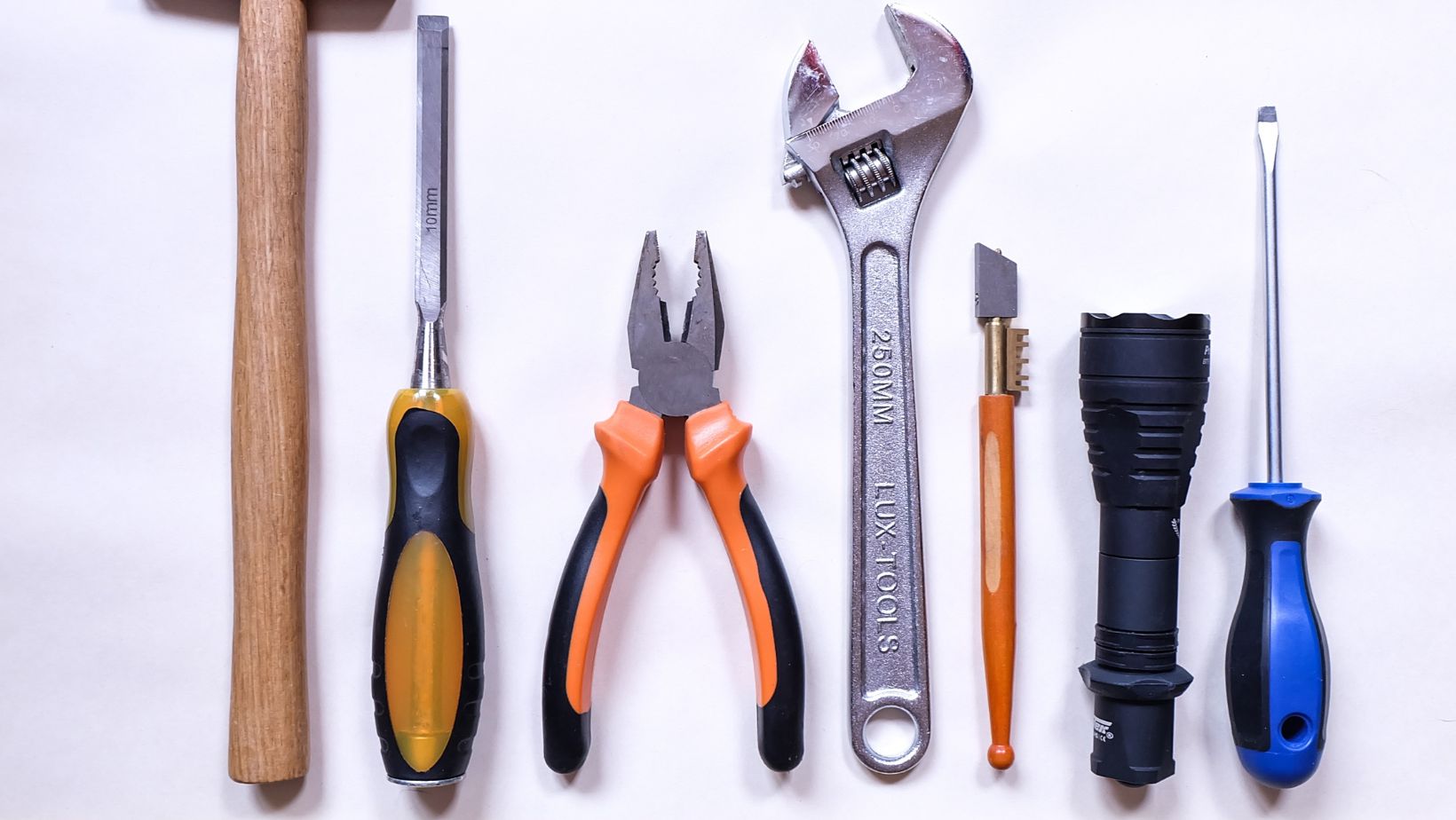
But small problems often don’t stay small. A drip can turn into mould. A minor crack can let in moisture. And something that would’ve taken 15 minutes and a $5 part might now need hours of labour and hundreds in materials.
What Happens When Repairs Are Delayed?
Letting little things go can lead to a range of bigger issues down the track. Here’s what to watch out for:
1. Higher Repair Costs Later
Fixing problems when they first appear is usually cheaper. A clogged gutter can be cleaned in minutes—but if left, it could lead to roof damage, internal leaks, or even foundation issues.
2. Reduced Home Value
When potential buyers see a list of visible repairs—like broken baseboards, cracked tiles, or water-stained ceilings—they assume there are hidden problems too. Deferred maintenance can lower your home’s market value and make it harder to sell.
3. Health and Safety Hazards
Leaky pipes, blocked vents, or faulty wiring aren’t just inconveniences—they can be dangerous. Mould from excess moisture, tripping hazards from loose flooring, or electrical risks can put your family at risk.
4. Compounding Damage
Some issues, like minor leaks or pest entry points, grow quietly over time. By the time you spot the extent of the problem, you could be looking at extensive repairs to walls, floors, or infrastructure.
The Psychology of “I’ll Do It Later”
It’s easy to justify postponing maintenance. You might tell yourself:
- “I’ll get around to it next weekend.”
- “It’s not hurting anything.”
- “I’ll wait until I’m fixing something else and do it all at once.”
The problem is, that “later” often turns into “never.” The longer we wait, the more overwhelming the task becomes. And once several small repairs pile up, homeowners often need professional help to tackle the backlog.
Smart Ways to Stay on Top of Repairs
If your home has a growing list of small issues, don’t panic. Here’s how to get back in control:
✅ Create a Running List
Start a maintenance log—nothing fancy, just a place to record anything that needs attention. Include the date you noticed the problem and any progress made. This helps prevent things from slipping through the cracks and keeps any pest in control in New York.
✅ Tackle One Thing Each Week
You don’t need to spend entire weekends fixing your house. Set aside an hour each week to handle one small job. You’ll be surprised how quickly the list shrinks when you chip away at it regularly.
✅ Prioritise Preventative Maintenance
Focus on the jobs that can prevent bigger issues: clearing gutters, sealing windows, checking for leaks, and inspecting major appliances. These are the quiet heroes of home care.
✅ Know When to Call in Help
Not every repair is a DIY project. If you don’t have the time or skills—or if you’re managing a rental or secondary property—outsourcing to a reliable maintenance team or property manager can make all the difference.
The Real Cost Isn’t Just Financial
There’s also the hidden cost of stress. Living in a space with broken or unfinished areas can wear on you over time. Constant reminders of what needs fixing can impact your comfort, mental clarity, and even relationships.
Taking action, even in small ways, has the opposite effect—it brings peace of mind and a sense of control over your space. That alone is worth the effort.
Final Tip: Don’t Let “Perfect” Get in the Way of Progress
You don’t need to renovate your entire home to make it better. Start small. Fix what’s manageable. Patch that hole. Replace that hinge. Paint over that scuff.
Each tiny fix is a win—and they all add up to a home that works better, feels better, and holds its value for years to come.