
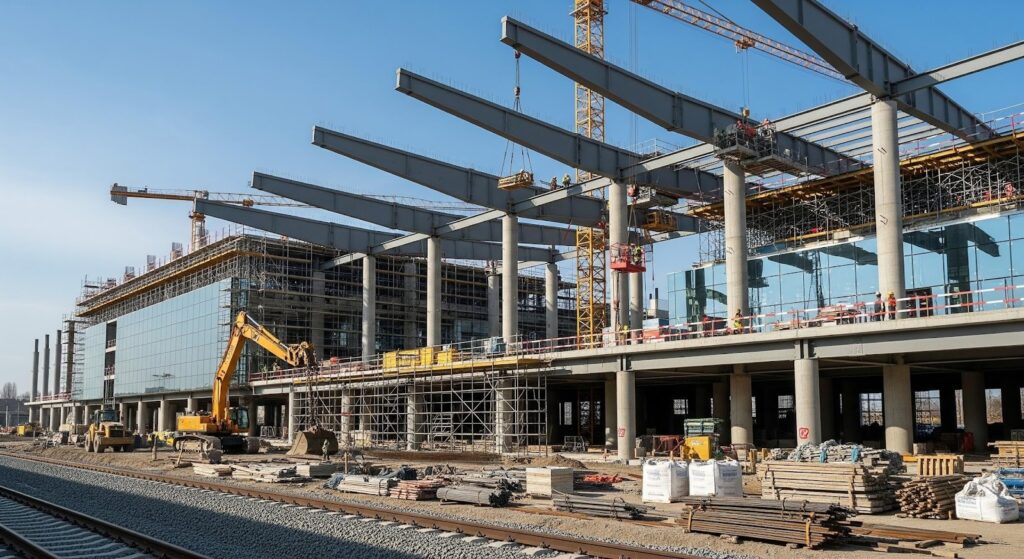
Complex infrastructure projects represent humanity’s most ambitious physical undertakings. These are not merely constructions but intricate systems that power cities, connect nations, and shape economic futures. From transportation networks that move millions to energy grids that power entire regions, these endeavors combine advanced engineering with sophisticated management. Their success depends on navigating technical challenges while maintaining alignment with community needs, environmental considerations, and evolving regulatory frameworks across extended timelines.
Mastering Multidisciplinary Coordination
Large-scale infrastructure demands seamless integration of numerous specialized fields. Civil engineers work alongside environmental scientists, transportation planners collaborate with utility experts, and community stakeholders engage with technical teams. Professional infrastructure consultancy services provide the essential framework for this interdisciplinary collaboration. They establish communication protocols that keep diverse experts synchronized while ensuring each specialized contribution supports the project’s overarching objectives without conflicting with other components.
Navigating Regulatory Environments
Major infrastructure initiatives operate within complex webs of local, national, and international regulations. These requirements span environmental protection, safety standards, historical preservation, and public accountability. Consultants maintain current knowledge of these evolving frameworks while anticipating how regulatory changes might impact project timelines and methodologies. Their expertise helps secure necessary approvals while ensuring compliance throughout construction and operational phases.
Implementing Phased Development Strategies
Complex projects cannot be approached as single undertakings. They require careful staging that balances immediate progress with long-term vision. This phased approach allows for testing assumptions, incorporating lessons learned, and adapting to changing conditions without compromising the final outcome. Effective staging also enables portions of the infrastructure to become operational sooner, delivering public benefits even as subsequent phases continue development.
Managing Geological and Environmental Factors
Ground conditions present some of the most unpredictable challenges in major projects. Sophisticated site investigation techniques help anticipate subsurface conditions, while environmental monitoring ensures minimal ecological disruption. Consultants develop contingency plans for unexpected geological findings and implement mitigation strategies that protect surrounding ecosystems throughout the construction process and beyond.

Securing Sustainable Funding Models
Financing these capital-intensive projects requires innovative approaches that blend public and private resources. Financial modeling must account for extended timelines, potential cost fluctuations, and evolving revenue projections. Consultants help structure financing packages that align with project milestones while ensuring adequate reserves for unforeseen circumstances throughout the development lifecycle.
Integrating Digital Construction Technologies
Modern infrastructure increasingly relies on digital twins, Building Information Modeling, and advanced project management platforms. These technologies create virtual replicas of physical assets, enabling teams to identify conflicts before construction begins and optimize systems throughout the project lifecycle. This digital integration allows for more accurate planning, reduced rework, and smarter operational management once the infrastructure becomes active.
Engaging Community Stakeholders
Infrastructure exists to serve public needs, making community engagement essential rather than optional. Successful projects incorporate local knowledge and address community concerns through transparent communication and responsive design adjustments. This collaborative approach builds public support while creating infrastructure that genuinely serves the people who will use and live alongside it for generations.
Ensuring Long-Term Operational Resilience
The ultimate measure of infrastructure success extends far beyond project completion. Designs must account for climate adaptation, population growth, technological evolution, and maintenance requirements across decades of service. This forward-looking perspective ensures today’s investments continue delivering value well into the future despite changing conditions and emerging challenges.
Building complex infrastructure represents one of society’s most powerful tools for shaping sustainable futures. These projects create the physical frameworks that enable economic activity, connect communities, and improve quality of life at scale. Their successful execution requires blending technical excellence with strategic vision, financial wisdom with environmental stewardship, and engineering precision with community engagement. When these elements combine through careful planning and expert management, infrastructure transforms from concrete and steel into the enduring foundations of progress.