
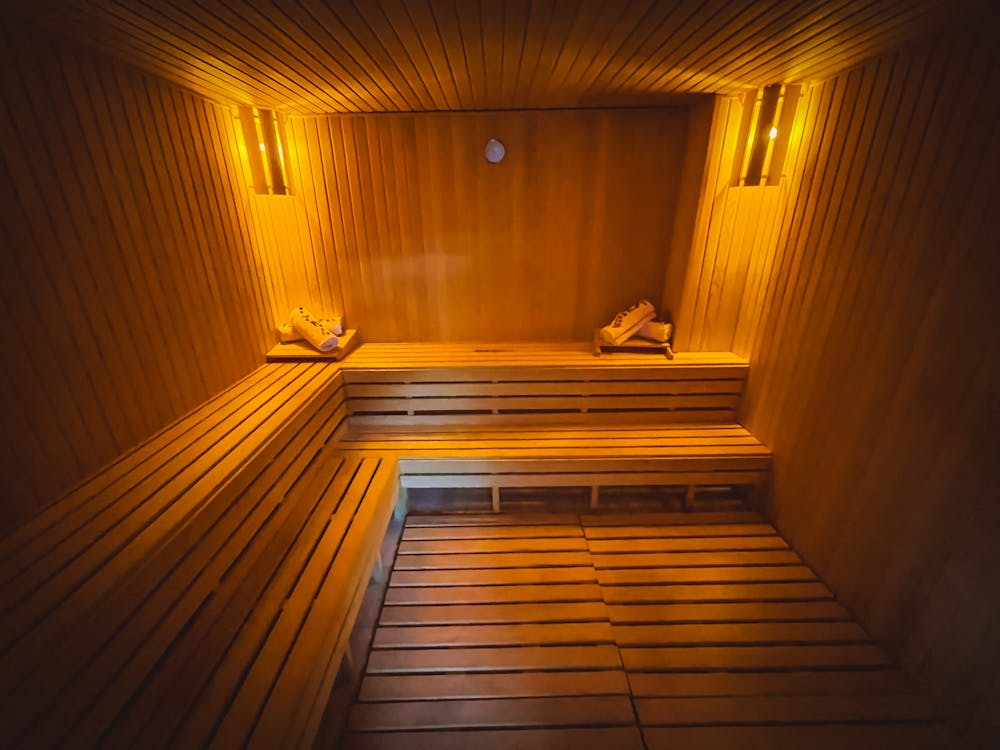
Many might think about creating their personal infrared sauna at home because they can relax at will without traveling far for a spa visit. A lot of people are now exploring their options, and they’re building something that’s going to be a practical alternative to purchasing a pre-assembled unit.
However, a lot of people are trying to do this on their own, where they might think that watching a video is enough. They’re able to follow generic guides that they see online where they buy cedar and calculate the watts per cubic foot, but the results are not enough.
Fortunately, some professionals can share excellent tips if one wants a full DIY. They’re experienced in building a diy infrared sauna that works, and they also have kits that can be built at home. This means that the contractor can check the design that the owner wants, and they’re going to do the pre-cuts on the bench and the hardware, and they can handle the insulation. If one is interested in these projects, below are some of the factors that they can take into consideration.
Decide on the Location of the Sauna
Identifying an appropriate space in one’s property where the sauna can be installed is usually the first step in the entire process. Many can convert spare rooms into a dedicated wellness area, and this location often provides more than enough room for ventilation as well as electrical connections. Indoor installation is often easier because it can protect the wood from weather exposure, while outdoor setups can also work, depending on the materials used. Do a thorough evaluation and see if modifications are necessary when you need your sauna to turn out great.
Know More about the Infrared Heating Technology
Research more about how these heating systems work in the first place to avoid risks. The infrared panels are often the ones responsible for warming people directly, and there are various types available. Knowing more about the heater emissivity and how human tissues absorb the infrared can generally help.
Research the available technology and select a system that aligns with one’s comfort. These cheating components are one of the most important investments in the project, so a careful evaluation is a must. See more info about infrared radiation when you go here.
How to Plan for the Size of the Sauna
A sauna’s dimensions should be large enough to accommodate the needs of the homeowners. It’s best if they can determine the seating arrangements that are able to provide enough room for multiple users especially if they would like to have guests come over to the saunas.
Heats should be able to circulate effectively, and tiered configurations may be used to maximize the interiors. Others may prefer wooden doors for better privacy while glass can allow natural light to enter the sauna.
Choose the Right Materials
Wood remains one of the most common choices out there because it’s durable. It also enhances the natural beauty of the sauna while making sure that it can withstand repeated heating cycles. Cedar (https://en.wikipedia.org/wiki/Cedrus) is often used as a classic luxury choice because it adds a calming aroma, while black alder can be resistant to moisture and is known for its light color.
Hemlock can be a durable option that provides even heat distribution and is odorless. It’s best to avoid denser hardwoods that can tend to overheat and may release unwanted odors.
Electrical Requirements and Safety
Electricians should be consulted when it comes to saunas because they can prevent fires from happening in the first place. They’re going to make sure that there are dedicated lines that are following building codes and the panels should be able to get reliable electricity delivered to them.
Ventilation Considerations
Airflow remains an important component in saunas, and there should be proper circulation that can help maintain a fresh interior. The small exhaust vents should support air natural movement without affecting heat retention, and the goal for this is to have sufficient ventilation while making sure that the sauna remains efficient.
Budgeting for the Project
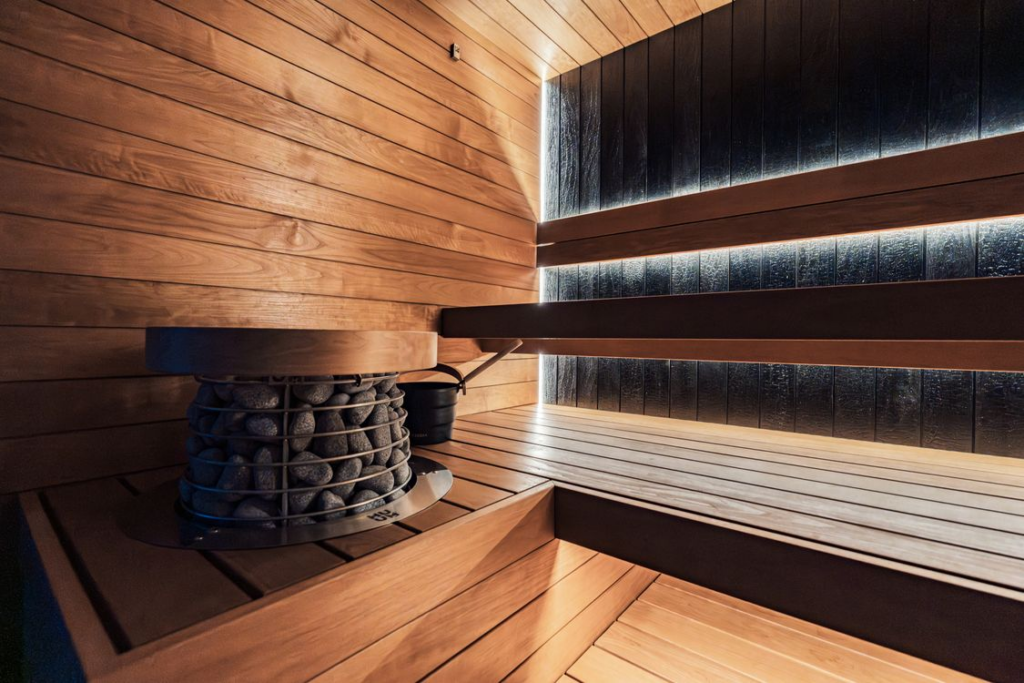
Expenses can vary depending on the preferences but it’s best to get quotes first to make sure that the sauna won’t be half-finished. Check the different materials and their advantages as well as their costs to avoid surprises later on.
Homeowners should also take into consideration the finishes when setting a budget, so nothing falls short. They can also consider ready-made kits that can make the entire project more cost-effective for their needs.
Comparing options can allow them to prioritize the features that they want most while staying within their preferred price range. Consulting an expert can be a wise choice because they can know more information about the cost of the entire project and prepare accordingly.