
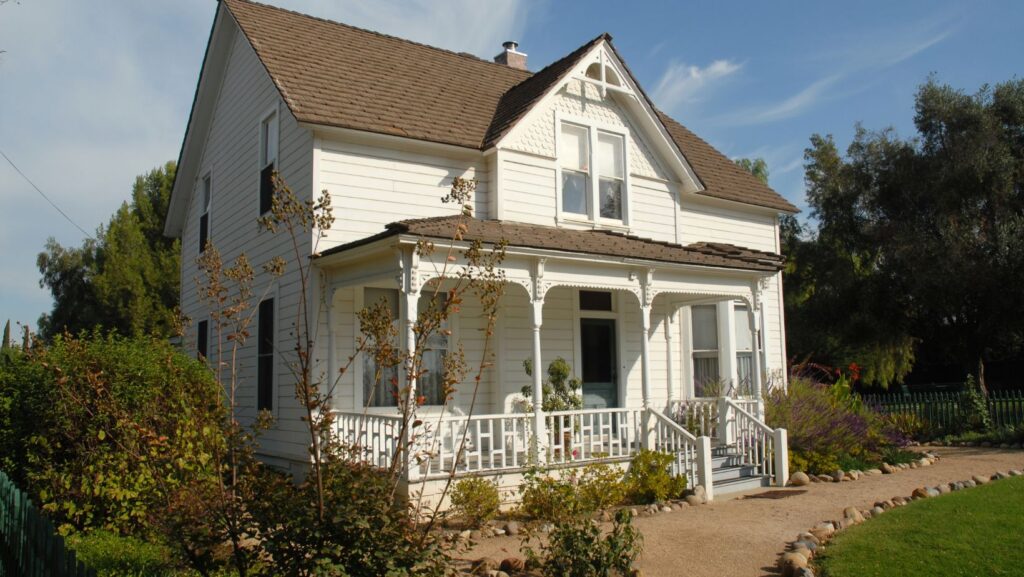
Owning a historic or mid-century home has its advantages. You get those original hardwood floors, attractive crown molding, and craftsmanship from a different time.
But these houses do show their age eventually. Wear adds up, standards have changed, and some structural problems stay hidden for years. Catch issues early and save yourself a lot of trouble. Watch for sloping floors, sticky doors, or random wall cracks.
That’s why choosing a reliable contractor matters so much when repairs are needed. Many people in the area trust Adelio’s Contracting to handle these jobs right.
Beyond that, it’s useful to understand the typical structural problems older homes face and the usual ways to fix them.
1. Foundation Settlement and Cracks
Foundations don’t stay perfectly level forever. Soil shifts. Water erodes. Tree roots grow. All of that can cause uneven settlement. You’ll often see warning signs. Horizontal cracks in block foundations. Stair-step cracks in brick mortar. Or doors that suddenly won’t latch the way they used to.
Small vertical cracks? Usually, nothing to worry about.
But horizontal cracks or widening ones? That usually means the basement walls are under real pressure.
Here’s how the fixes usually work.
- For small, non-structural cracks: seal them with hydraulic cement. Or use epoxy injection to block moisture.
- Moderate settlement calls for a bigger approach. Professionals install helical or push piers down to bedrock. That lifts and stabilizes the foundation.
- Severe cases? You excavate the affected wall sections and rebuild them with reinforced concrete.
No matter the situation, get a structural engineer involved first. They’ll determine the right pier locations and handle the proper load calculations before any big work begins.
2. Sagging Roof Ridges and Rafter Damage
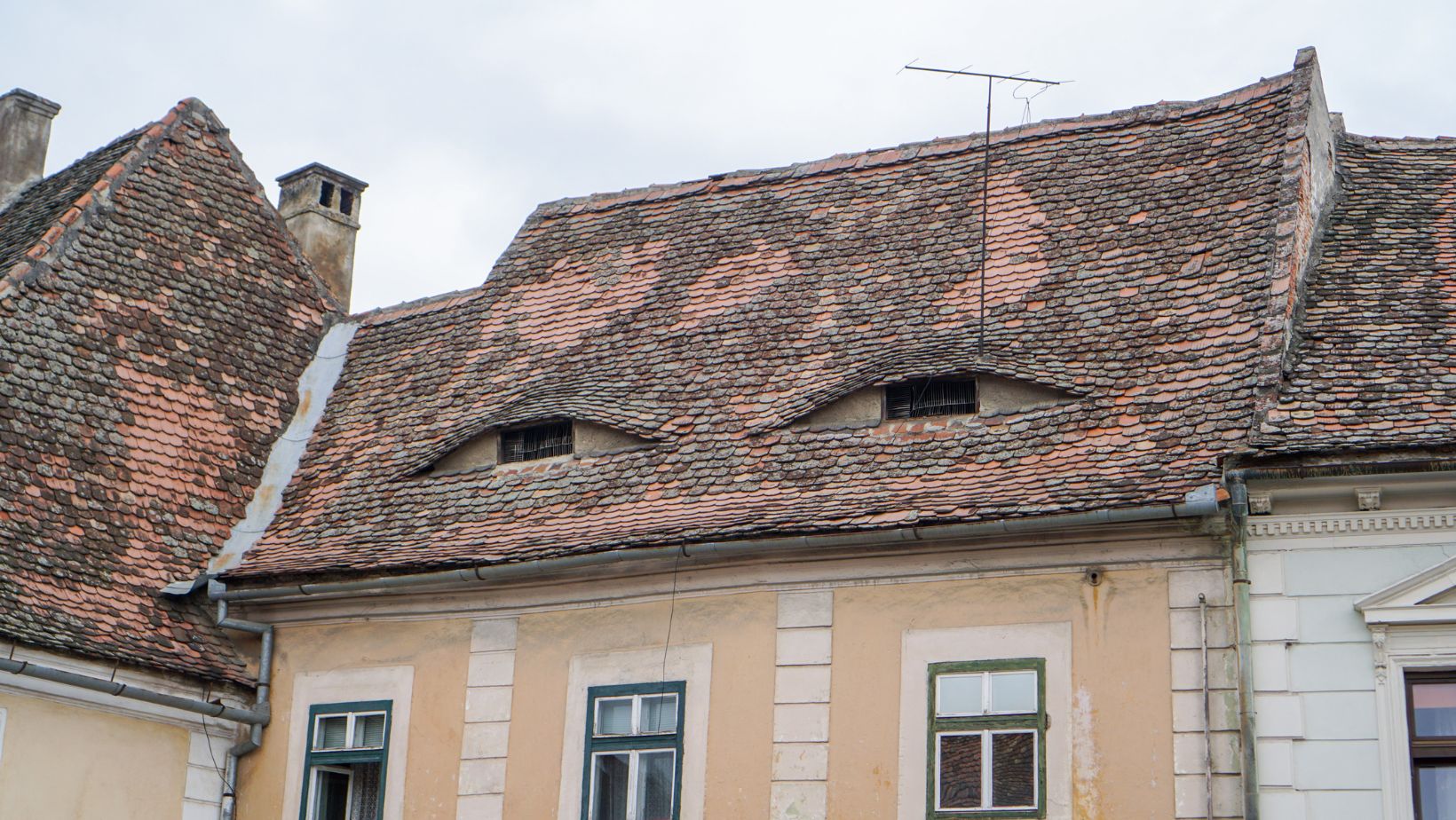
Many older roofs start to sag simply because they lack proper bracing. Snow loads, the weight of the shingles, and poor ventilation add up over the years and cause the rafters to bow and the ridge to dip.
You can sometimes see the problem from the street as a dip in the roof. Other times it’s only visible in the attic. Either way, it needs attention.
Here’s how these issues are usually fixed:
- Sister new 2×6 or 2×8 lumber alongside existing rafters if they’re over-spanned.
- Install a new ridge beam with posts or add a steel flitch plate for a sagging ridge.
- Add collar ties every four feet in attics that don’t have them to stop the roof from spreading.
Also, install soffit and ridge vents during the repair to help prevent future moisture and rot.
3. Floor Joist Deflection and Rot
Homes built before 1950 often develop uneven or flexible floors. Common causes include undersized joists, deep plumbing cuts, and wood damage near the sill plate caused by moisture, rot, or termites. In some renovations, joists are cut too deeply to install drain pipes, which weakens the structure.
For slight deflection, blocking between the joists helps distribute weight and cut down on the bounce. Bigger sagging usually needs the floor jacked back to level with new joists sistered alongside the old ones.
If the joist ends are rotted where they meet the foundation, contractors use steel pocket supports to hold everything steady while they cut away the damaged wood and install new wood.
Don’t forget to replace any rotted sill plates first. They’re essential for tying the foundation to the floor system.
4. Load-Bearing Wall Alterations
It’s quite common for homeowners to remove interior walls as they remodel and try to create bigger, more open spaces. The problem arises when they take out a load-bearing wall without realizing it. You might notice signs afterward — perhaps a beam in the ceiling that looks added as an afterthought or cracks appearing right above where the wall once stood.
One of the more dangerous situations is a partially removed wall. This often leaves a “floating” header with no proper support posts at either end.
Here’s how contractors handle it:
- First, figure out which walls are truly load-bearing by looking at the framing in both the attic and basement. Walls running perpendicular to the joists overhead are generally structural.
- For a wall that was removed incorrectly, contractors begin with a temporary support wall. From there, they install a correctly sized LVL (laminated veneer lumber) beam or a steel I-beam, with jack posts or reinforced columns at each end.
- Make sure the new beam bears on at least 1.5 inches of solid wood or masonry.
Remember that any work like this needs a building permit and must pass inspection. It’s critical because a weak or failed header risks bringing down the second floor.
5. Porch and Chimney Separation
Porches and chimneys sit on separate shallow footings from the main foundation. Different settlement rates often cause gaps between the porch roof and wall or pull the chimney away from the siding.
Fix a leaning chimney right away — it can become dangerous.
Porch repairs usually involve steel helical ties connecting it to the main foundation or rebuilding on deeper footings.
For the chimney, masons can add crown repairs and tie rods. In cases of cracked flues or heavy spalling, full replacement with a new metal flue and brick veneer is the safest choice.
Managing Debris During Structural Repairs
Structural repairs — especially joist replacements, beam swaps, and foundation excavations — generate a surprising amount of old lumber, concrete chunks, and rotted materials. Hauling that debris in multiple car trips wastes time and money. If you’re based in Colorado, booking a roll off dumpster rental in Aurora, CO keeps your worksite clean and your project on schedule, whether you’re swapping out a sill plate or rebuilding a porch footing. One container on-site for the duration of the job means your crew focuses on repairs — not cleanup runs.
Conclusion
Homeowners can do smaller repairs on their own. Epoxy crack injections or installing blocking between joists are good examples. Larger jobs should go to a licensed structural contractor. That includes jacking, new beams, or any excavation around the foundation.
Also, get a building permit before you start. Many towns require professional engineer drawings for this kind of work.
Keeping detailed records is worth the effort. When you sell the house someday, clear documentation with attached permits helps build trust with buyers instead of creating concern.
Remember, older homes need to move and breathe. The goal isn’t perfect rigidity. It’s stopping damage, fixing load paths, and getting many more safe years out of the house. Handled well, a repaired vintage home stays reliable for a very long time.