
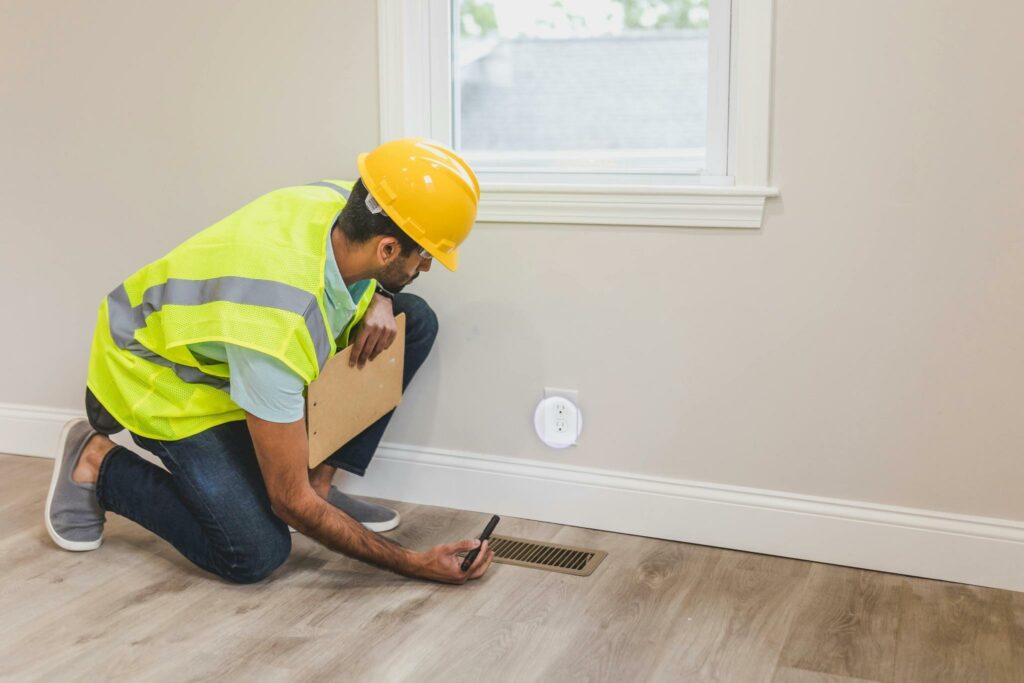
Unexpected repairs can quickly disrupt even well-planned household finances. A broken appliance, a vehicle issue, or even a burst geyser often requires immediate attention, leaving little time for hesitation. These situations force households to make fast financial decisions while trying to avoid negative long-term financial consequences.
Because repair costs are rarely predictable, understanding financing options ahead of time becomes essential. Knowing what choices exist allows people to respond efficiently without compromising their overall financial stability or creating unnecessary stress.
Why Repairs Often Create Financial Strain
Unexpected repairs are challenging because they combine urgency with uncertainty. Delaying action can increase damage, raise safety concerns, or lead to higher overall costs. Acting too quickly, however, may result in expensive financing decisions that have an impact long after the repair is complete.
Many households operate with tightly managed monthly budgets. Regular expenses such as housing, utilities, transportation, and insurance leave limited room for surprise costs.
This pressure often pushes people toward the fastest available option rather than the most suitable or affordable one. Understanding how different financing tools work helps reduce the risk of choosing convenience over long-term affordability.
Savings and Short-Term Payment Options
Emergency savings are often the most straightforward way to handle unexpected repairs. Paying directly from savings avoids interest charges and keeps debt levels stable. This approach offers flexibility and peace of mind when funds are available.
Guidance from the Consumer Financial Protection Bureau explains whybuilding emergency savings is critical for handling unplanned expenses, including sudden repair costs.
However, not everyone has sufficient savings to cover major repairs. Even households with emergency funds may hesitate to use them fully, especially if doing so would leave no cushion to deal with future issues.
Credit cards are another commonly used option. They allow for immediate payment and are widely accepted by service providers. For smaller repairs or situations where balances can be paid down quickly, this approach can work well.
The downside appears when balances remain unpaid for extended periods. Interest can significantly increase the total cost, especially if only minimum payments are made. Over time, this can strain monthly budgets and reduce financial flexibility.
In cases where savings and credit cards fall short, some households consider anonline loan to cover repair costs. These loans often provide faster access to funds and structured repayment schedules, which can be helpful during urgent situations. However, reviewing terms carefully is essential to avoid unnecessary strain on household budgets.
Loans and Structured Financing Options
Personal loans offer a more predictable alternative to revolving credit. With fixed payments and defined timelines, they provide clarity that makes budgeting easier. This structure can be especially helpful for larger repairs that cannot be covered by short-term cash flow.
Unlike credit cards, personal loan repayments don’t fluctuate month to month depending on spending. Borrowers know exactly when the loan will be paid off and how much interest will be paid over time. This transparency supports better financial planning.
Homeowners may also explore financing options tied to property value or other collateral. These solutions often provide access to larger amounts and longer repayment periods. While this can lower monthly payments, it also involves greater responsibility and should be approached carefully.
The Federal Trade Commission underscores the importance of understanding different types of loans, which is essential before committing to financing.
Emergency Home Repairs and Insurance Considerations
Emergency home repairs are among the most stressful unexpected expenses any homeowner will encounter. Issues such as plumbing failures, roof damage, or heating system breakdowns often require immediate attention to prevent further damage. Delaying repairs can increase costs and disrupt daily life.
Some contractors offer payment plans, but these arrangements may include fees or short repayment timelines. Others require full payment once work is completed, which can limit flexibility for homeowners facing large bills.
Insurance coverage can sometimes help offset repair costs. Homeowners’ policies or service warranties may apply depending on the cause of the damage. However, deductibles, exclusions, and coverage limits can often affect the ability to fully cover costs.
Before arranging cover, it’s important to review insurance policies carefully. Understanding what is covered helps homeowners avoid unnecessary borrowing and manage out-of-pocket expenses more effectively.
Balancing Immediate Needs With Long-Term Impact
Financing unexpected repairs is not just about solving an immediate problem. The way repairs are paid for can influence household finances for months or even years afterward.
High-interest debt may solve a short-term issue, but it creates long-term pressure. Even modest differences in rates or fees can add up over time, especially when multiple repairs are required.
Balancing urgency with affordability helps protect future financial health. Taking time to compare options, even briefly, can prevent decisions that limit flexibility later.
It’s also important to consider how financing affects other goals. Monthly payments may impact savings plans, discretionary spending, or the ability to handle future emergencies.
Planning for Repair Costs
While repairs are unpredictable, preparation can reduce their financial impact. Building an emergency fund remains one of the most effective strategies for managing surprise expenses.
Even small, consistent contributions can create a buffer that reduces reliance on borrowing. Over time, this approach increases confidence and financial resilience.
Households can also benefit from reviewing financing options before they are needed. Familiarity with loan requirements, approval timelines, and repayment expectations makes decision-making easier during stressful situations.
Regularly reviewing insurance coverage and warranties can also help identify gaps before repairs are required.
Making Thoughtful Repair Financing Decisions
Unexpected repairs are a reality of maintaining vehicles, homes, and essential equipment. While they can be disruptive, informed financial choices make them manageable.
By understanding savings usage, credit tools, and structured loan options, households can respond effectively without creating lasting strain. Each situation is different, and the right solution depends on timing, cost, and financial capacity.
A thoughtful approach focuses not only on dealing with the immediate issue but also on preserving stability and flexibility. With preparation and awareness, unexpected repairs become challenges that can be handled responsibly rather than financial setbacks that linger.