

Big home repairs can feel like a double-edged sword — your house might end up better than ever, but your backyard could take a serious beating in the process. If you’re planning renovations that require access through outdoor spaces, a bit of preparation goes a long way in protecting your yard, garden, and sanity. In some cases, especially for roof work or upper-level repairs, using scaffolding can reduce the amount of foot traffic and heavy lifting that takes place directly on your lawn or garden beds.
If you’re getting ready for major backyard repairs, planters on wheels can make the process much smoother by letting you move plants out of the work zone with minimal effort. Instead of digging up greenery or risking damage from heavy equipment, you can simply roll planters to a safe area and keep your yard looking organized. Using planters on wheels helps protect your plants, saves time during prep, and makes it easier to restore your backyard once the repairs are finished.
Plan the Access Route
Before a single tool is picked up, walk through your yard and map out where everything will go. That includes where materials will be dropped off, which paths workers will use, and where any temporary storage will sit. This lets you keep heavy equipment off soft lawns, redirect traffic away from fragile garden beds, and avoid crushing pavers or compacting soil unnecessarily. If access is tight or your yard is on a slope, you may need to bring in temporary support to make sure equipment and workers can move safely without damaging your property.
Lay Down Protective Paths
One of the fastest ways a yard gets damaged is from repeated foot traffic and wheelbarrow loads over the same patch of grass. You can prevent this by laying down plywood sheets or rubber mats to protect lawn areas, temporary stepping stones or gravel on dirt paths, and markers to keep people on track and away from sensitive zones. The clearer the access path, the less likely you’ll end up with ruts or muddy patches that need fixing later.
Safeguard Your Plants and Features
If you’ve got established garden beds, fruit trees, or other features you’re proud of, take steps to shield them early. Use garden mesh or plastic sheeting to create barriers, wrap delicate shrubs or low branches in burlap or shade cloth, and move potted plants to a safe corner out of the way. Even if the work is happening on the other side of the yard, dust, debris, and general chaos can still affect untouched areas.
Use Temporary Structures If Needed
For long-term projects or those during unpredictable weather, you might want to look into temporary structures like pop-up canopies to shield tools or materials, tarps suspended over work zones to protect from rain, and portable fencing to divide work areas from recreational ones.
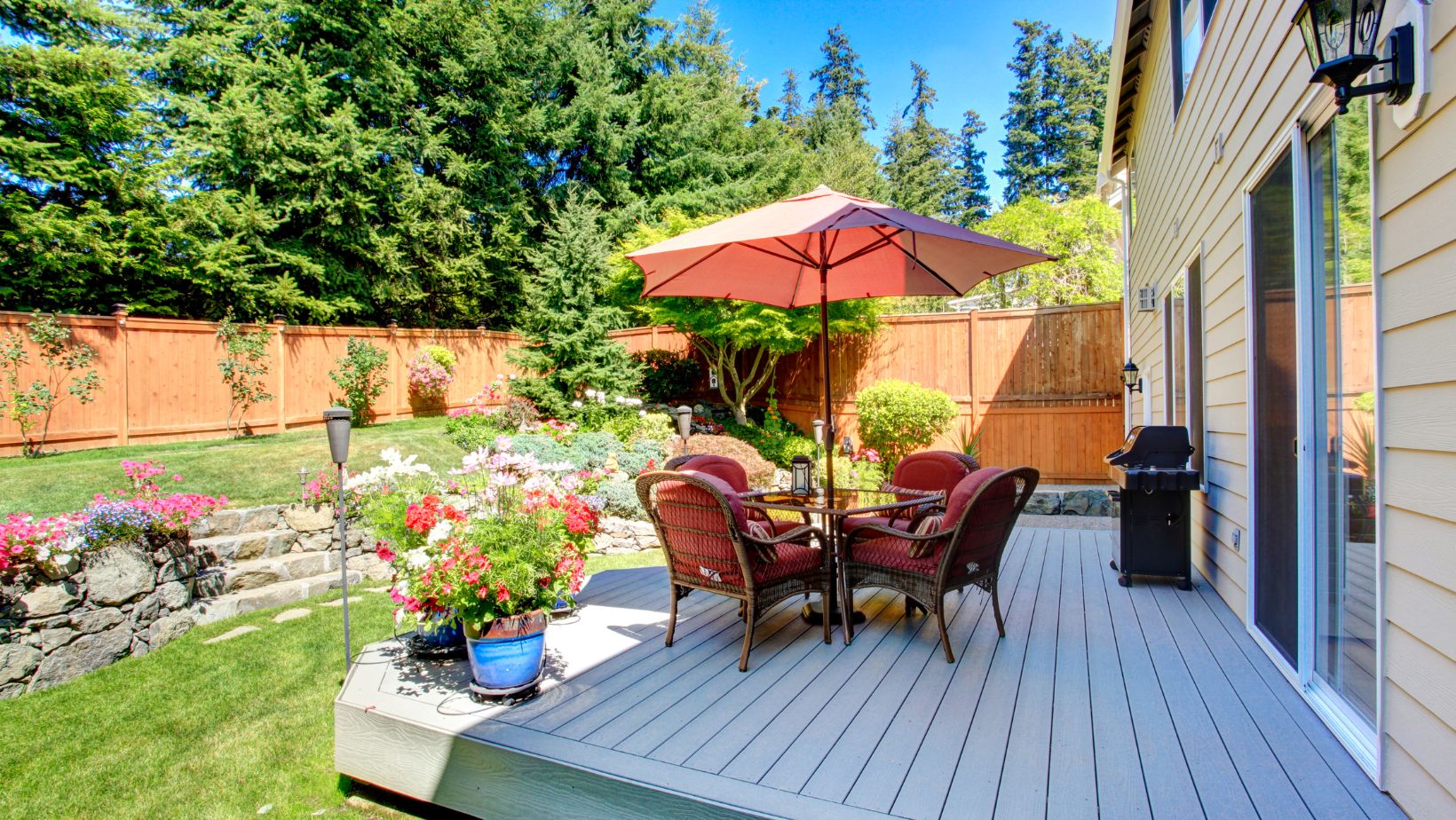 These additions can prevent damage and keep things more organised — especially helpful if you’ve got kids or pets wandering around.
Communicate With Your Contractor
It sounds obvious, but many people forget to ask: what will you do to protect my backyard? A good contractor should be able to explain their process for minimising impact on your outdoor space. You can also ask if they’ll use protective mats for access, where they plan to place heavy tools or skips, and whether they’ll help return the yard to its original state. Having this conversation upfront gives you leverage later if things don’t go to plan.
Time It Right
If your backyard is in heavy use — school holidays, birthdays, footy season BBQs — plan your repair timeline accordingly. You’ll thank yourself for not scheduling roof repairs the week before a backyard birthday party. Bonus tip: if your yard needs time to recover after work wraps up (like grass regrowth or replanting), factor in that downtime too.
Restore What Matters
Once the work is done, do a quick audit. Fill in any ruts or holes with fresh soil, reseed or lay turf if grass was affected, clean paving or decking with a pressure washer, and check garden beds for compaction or damage. Even a quick refresh can make your backyard feel like yours again — and help erase signs of all the chaos.
Big repairs don’t have to mean sacrificing your outdoor sanctuary. With a bit of planning and a few practical steps, you can protect your space and still get the work done.