
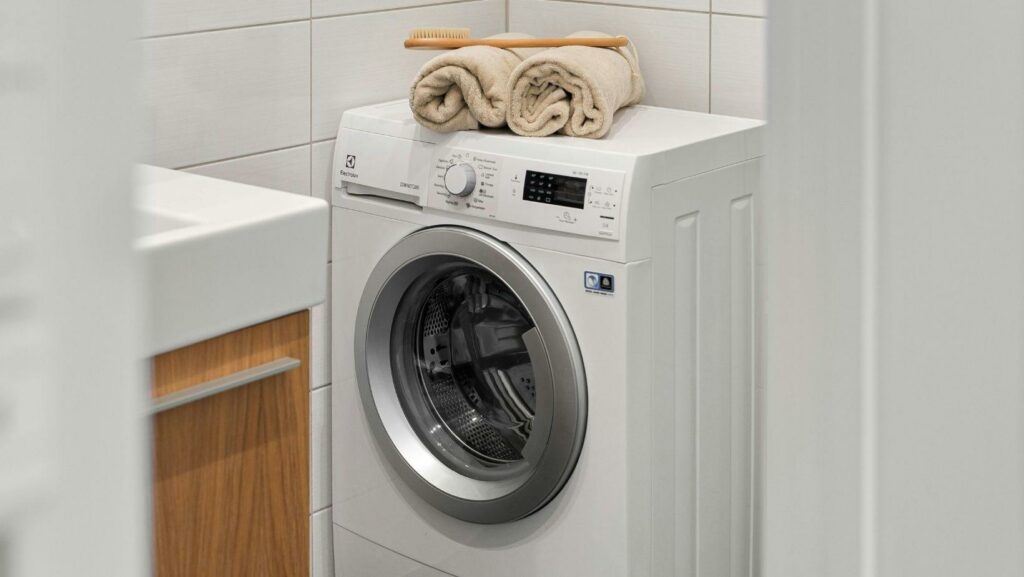
A washing machine’s drive belt is one of its most essential moving parts, connecting the motor to the drum and enabling it to spin, agitate, and drain effectively. Without a functioning belt, the washer loses its ability to complete these key cycles, resulting in laundry that stays soaked or unwashed. Over time, constant tension, moisture, and friction can cause the belt to wear out or snap entirely. Recognizing symptoms early can prevent damage to other internal components and reduce repair costs. Understanding what to look for helps ensure the machine’s performance stays consistent and dependable.
Broken Belt Affects Drum Movement
One of the most noticeable signs of a broken or slipping drive belt is a drum that fails to move during a wash or spin cycle. This mechanical failure affects the overall operation. When the belt snaps, the motor continues to run, but the drum remains stationary because there is no mechanism to transfer motion. You may hear the motor humming or operating normally, with no visible drum movement. Sometimes, a partially frayed belt causes the drum to rotate unevenly, resulting in jerky or slow-motion operation. This can also lead to incomplete rinsing or water remaining in clothes. Checking underneath the machine often reveals the belt lying loose or shredded near the base. Replacing it promptly restores function and prevents strain on the motor and pulleys. Regular inspection of belt tension and wear can help avoid complete failure and maintain a smooth, balanced spin cycle.
Unusual Noises and Burning Odors During the Operation
Sound changes often signal mechanical problems, and a worn drive belt is no exception. Grinding noises, squeals, or burning smells reveal a developing issue. When the belt begins to slip, it may rub excessively against the motor pulley or drum wheel, producing high-pitched squeaks. Over time, the rubber material generates heat from friction, sometimes emitting a burnt-rubber odor. A completely broken belt, on the other hand, may cause the spin cycle to stop suddenly because the drum no longer turns. Observing these patterns helps quickly narrow down the source. Excessive vibration or rattling noises can also indicate a misaligned or stretched belt that struggles to maintain tension. Identifying and replacing it early prevents collateral damage to the washer’s motor and bearings. Homeowners who want accurate parts for their model can view the washer parts catalog online to locate compatible drive belts and installation accessories for reliable replacement.
We Will Explore the Impact on Spin and Drain Cycles
When the drive belt fails, the washer loses its ability to maintain proper spinning speed and drainage efficiency. This affects cycle performance and water removal. The belt’s primary role is to transmit motor rotation to the drum; when it weakens or breaks, the drum slows dramatically or stops altogether. As a result, clothes emerge dripping wet, and the cycle may take longer than usual. Some machines even stop mid-cycle if the system detects an imbalance due to an unresponsive drum. Over time, a slipping belt can reduce energy efficiency because the motor compensates by operating at a higher load, leading to overheating and premature wear. Drainage issues may also occur when incomplete spinning prevents proper water extraction. Keeping the drive system clean and ensuring pulleys remain aligned supports belt longevity and maintains optimal washer performance. A consistent spin-and-drain cycle indicates a healthy, well-functioning belt connection.
We Will Explore Visible Signs of Wear and Physical Damage
Physical inspection remains one of the most reliable methods for confirming drive belt failure. Visible wear patterns indicate the need for immediate replacement. By unplugging the washer and removing the back or bottom panel, the belt can be examined directly. A damaged belt often shows cracks, splits, or shiny glazed surfaces where it has slipped over pulleys. In severe cases, rubber dust may accumulate inside the washer cabinet, signaling long-term friction. Frayed edges or stretched sections reduce tension, causing performance inconsistencies. Occasionally, the belt may still be in place but too loose to grip properly, resulting in intermittent spinning or a noisy operation. Ensuring proper alignment during installation prevents the same issue from recurring. Replacing the belt with an appropriate size and type maintains consistent movement and reduces strain on the motor. A clean, tightly fitted belt keeps the machine running smoothly and quietly through each wash cycle.
Fault Codes and Machine Behavior Reveal Problems
Modern washing machines often display fault codes or behavioral symptoms indicating a failing belt. These signals aid rapid diagnosis. Some models detect resistance in drum movement or motor speed irregularities, triggering an error code on the display. Common signs include sudden stoppages during spin or incomplete cycles. The washer may also make attempts to start spinning, pause unexpectedly, or repeat sections of the cycle. These patterns suggest that while the control board supplies power to the motor, the belt cannot transmit motion effectively. Observing these electronic cues simplifies troubleshooting, especially when paired with physical inspection. Clearing codes after replacing the belt helps reset the system for accurate future readings. Recognizing how the machine’s behavior changes when the belt weakens allows timely intervention. Preventive awareness reduces downtime and ensures consistent laundry results with every wash and spin sequence.
We Will Explore Preventive Maintenance for Drive Belt Longevity
Taking proactive care of your washing machine’s drive system can significantly extend its lifespan. We will explore simple practices that maintain the belt’s strength and flexibility. Keeping the washer balanced prevents unnecessary stress on the belt and motor pulleys. Overloading the drum or running heavy items too frequently can cause belt stretching and slippage. Periodically inspecting and cleaning pulleys removes lint and residue that may cause friction. Environmental conditions, such as excessive humidity, can also degrade rubber over time; maintaining proper ventilation helps. Using manufacturer-approved detergent amounts prevents residue buildup inside moving components. Scheduling a periodic tune-up ensures all internal connections remain tight and lubricated. These small but consistent efforts preserve belt elasticity and ensure steady performance. A well-maintained drive system not only supports efficient washing cycles but also minimizes costly repairs, keeping the machine reliable and smooth in daily operation.
A broken or worn drive belt can disrupt a washing machine’s essential functions, from spinning to draining, making laundry tasks inefficient and frustrating. Recognizing the warning signs—such as still drums, squealing noises, or burning odors—helps catch problems before they escalate. Regular inspection and preventive maintenance reduce the chances of sudden failure, while prompt replacement restores full functionality. Understanding how the belt interacts with other components helps ensure better performance and a longer appliance life. Whether diagnosing subtle wear or responding to sudden breakdowns, addressing drive belt issues early keeps your washing machine dependable, quiet, and energy-efficient through every wash cycle.