
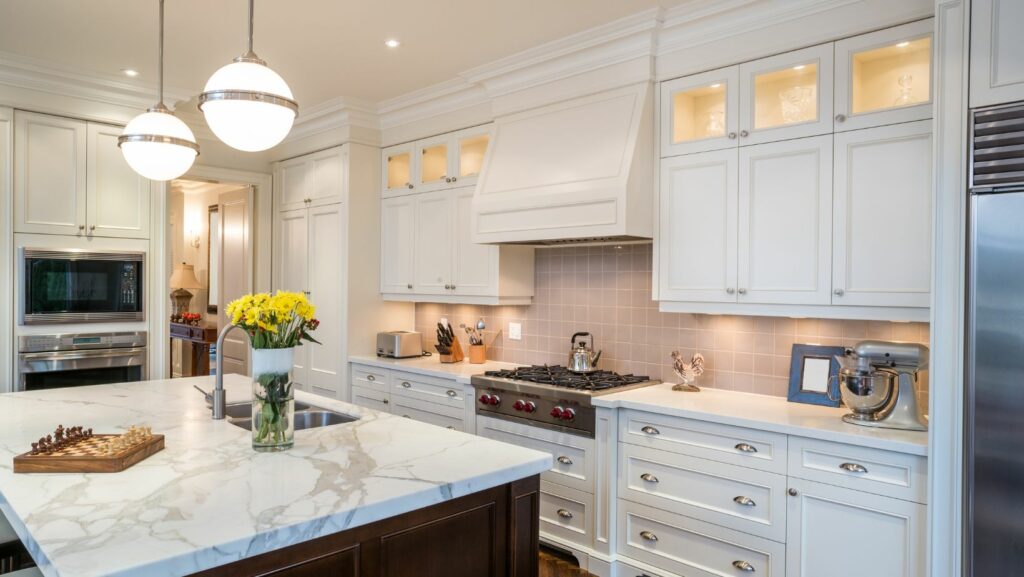
You can walk into two kitchens with nearly the same square footage, layout, and finishes—and have completely different experiences. One feels intuitive, even enjoyable. The other? Frustrating, awkward, and tiring.
The difference often lies in the invisible details—the things you don’t notice until you’re using the space every day. Thoughtful planning, good flow, and functional design choices turn a kitchen into a place you actually want to be. That’s the real power of custom kitchen design, where the end goal isn’t just a pretty picture—it’s a kitchen that works for you.
So what are these hidden details that make all the difference? Let’s break them down.
Storage That Matches Your Habits
We all have our own cooking style—and our own clutter. A kitchen that supports your habits will naturally feel easier to use.
Things to consider:
- Drawers vs. Cabinets: Deep drawers make pots and pans easier to reach than lower cabinets where you have to bend or squat.
- Pull-Out Shelves: These save you from digging through the dark corners of a pantry or cabinet.
- Hidden Appliances: Built-in bins, tucked-away microwaves, and slide-out spice racks reduce visual clutter while improving workflow.
- Vertical Storage: Slim spaces beside the fridge or next to ovens can be converted into clever storage for trays, cutting boards, or baking sheets.
Lighting That Actually Works
A beautiful kitchen with poor lighting will still feel frustrating. Relying on a single overhead light leaves your workspaces in shadow—and no one wants to chop onions in the dark.
A well-lit kitchen usually has three layers:
- Ambient lighting (general ceiling lights or downlights)
- Task lighting (under-cabinet lights for prep areas and stovetops)
- Accent lighting (to highlight shelves, décor, or architectural features)
Warm, well-placed lighting doesn’t just improve visibility—it can also make your kitchen feel more welcoming at any hour.
Placement That Reduces Steps
A lot of design mistakes come down to what professionals call “the working triangle”: the distance and flow between your sink, stove, and fridge. But even if you get that triangle right, it’s the smaller placements that impact daily life.
Here’s where thoughtful details help:
- Put frequently used tools (like knives or spatulas) right beside prep areas.
- Store glasses near the dishwasher for faster unloading.
- Position your rubbish and recycling near where you do most of your chopping.
- Install outlets exactly where you’ll need them—like for coffee makers or toasters.
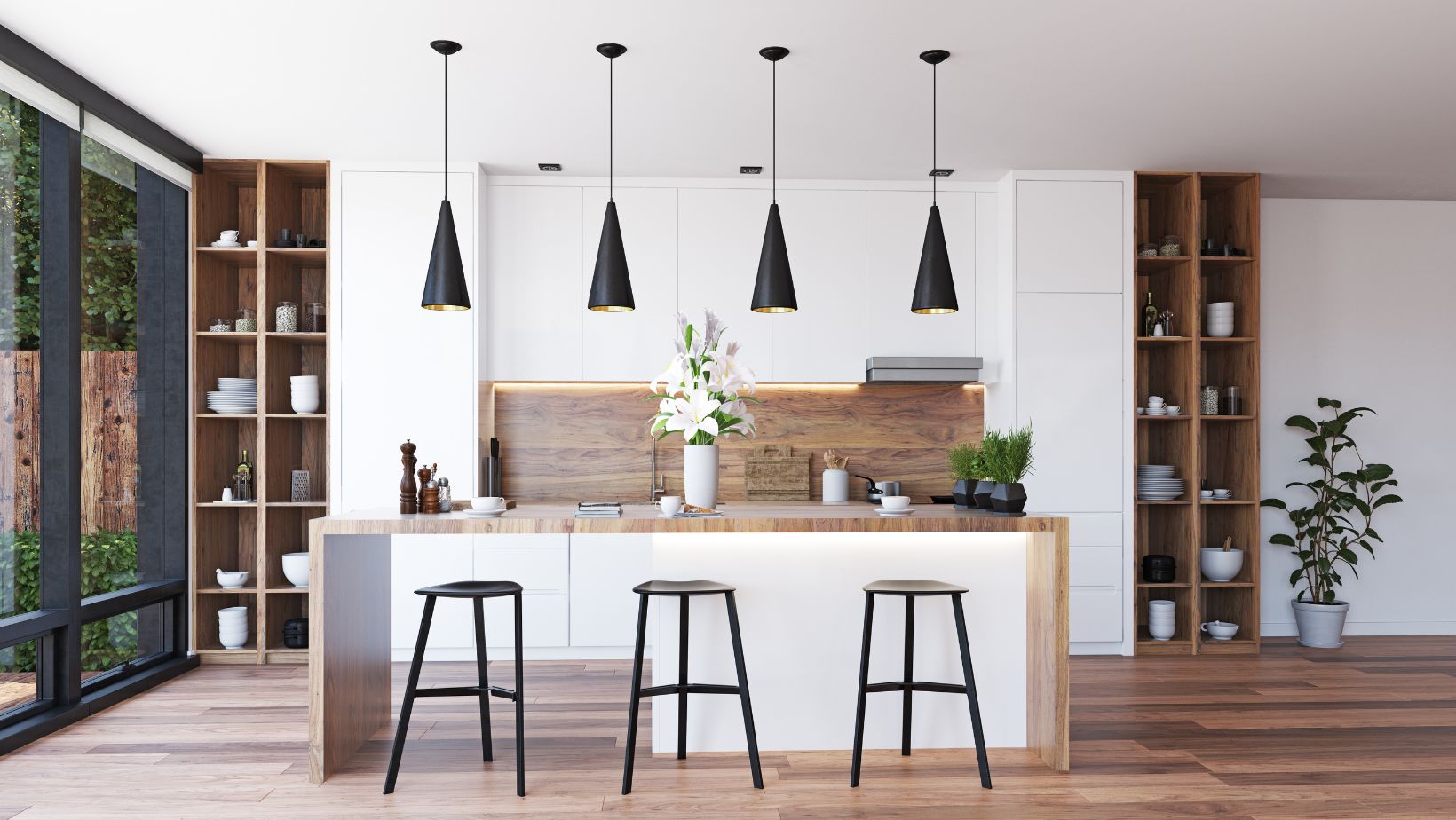
When everything is where you instinctively reach for it, your kitchen feels smarter—and your routine gets smoother.
Surfaces That Work With You
Pretty countertops are great. But what matters more is how they handle real life.
Think about:
- Durability: Materials like quartz or high-pressure laminate resist scratches, stains, and heat better than some natural stones.
- Maintenance: Matte or textured finishes hide smudges and fingerprints better than glossy ones.
- Cleaning: Undermount sinks make wiping crumbs directly into the basin easier, while seamless splashbacks eliminate grout lines.
Don’t forget cabinet finishes, either. Soft-close hinges, fingerprint-resistant fronts, and easy-to-wipe handles make the difference over time.
Flexibility for Real Life
The kitchen is no longer just a place to cook. It’s often a hangout, homework station, or home office. The best kitchens account for these changing needs with flexible spaces.
Smart design options include:
- Built-in seating or benches that double as storage
- Extendable benchtops or breakfast bars
- Mobile islands on casters that can move with you
- Charging stations hidden in drawers
These features may seem small, but they turn a rigid space into a functional one—especially for growing families or frequent hosts.
Ventilation You’ll Thank Yourself For Later
Ventilation is one of those things you don’t think about until something smells like last night’s fish for three days straight.
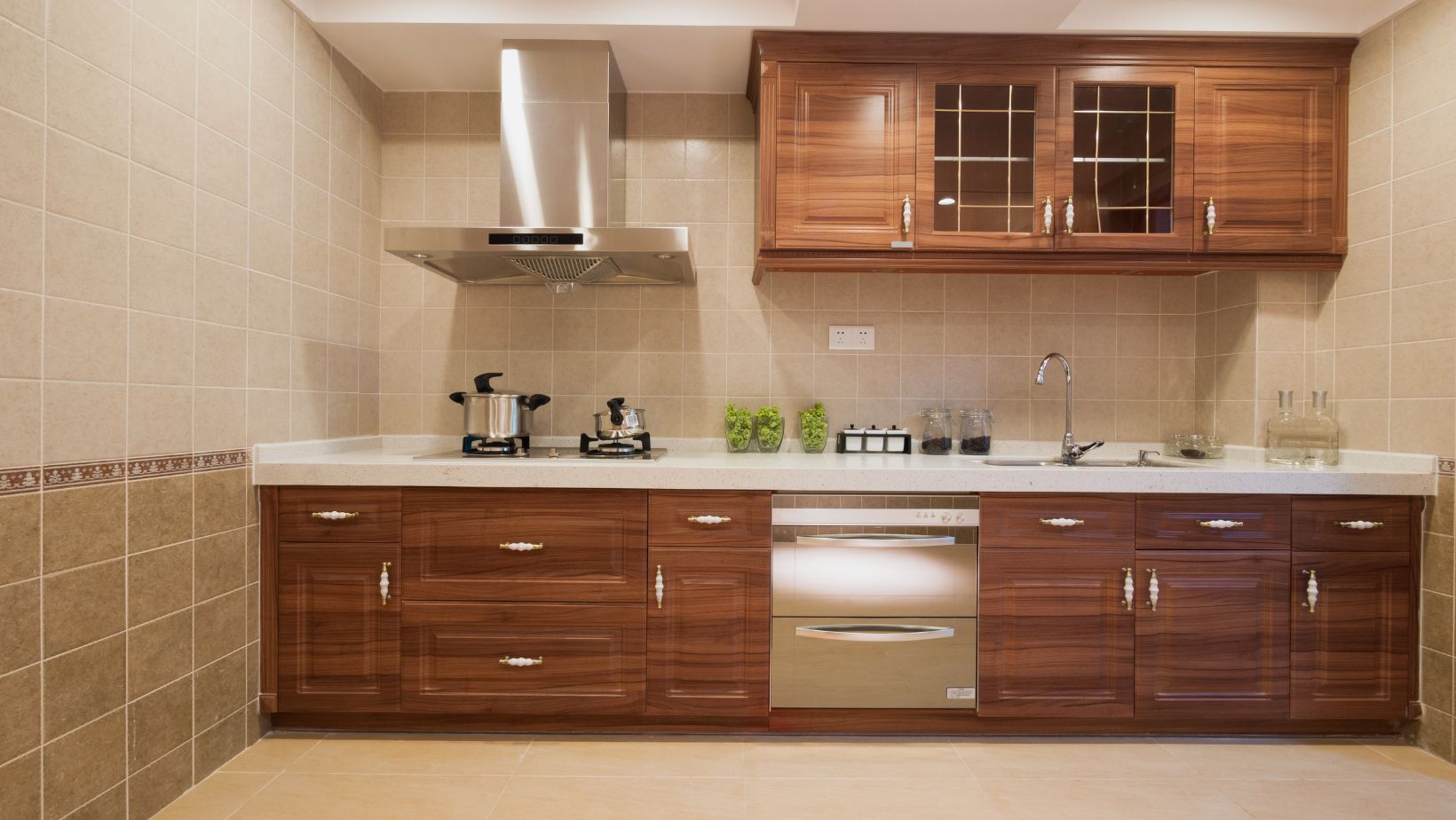
A good range hood (with proper ducting, not just recirculating filters) keeps air fresh, protects your cabinetry, and makes your kitchen more pleasant to use long-term.
You don’t need the loudest or most expensive option—just something properly sized for your stove and space. It’s one of the most overlooked but appreciated features in a well-designed kitchen.
The Joy Is in the Details
There’s a reason some kitchens feel calm and others feel chaotic. It usually comes down to the small stuff—how many steps you take between stations, whether drawers glide smoothly, whether your coffee mug is where it should be in the morning.
Those little things might not show up in real estate photos, but they show up in how your day flows.
A thoughtfully designed kitchen doesn’t just look good—it feels good to use. And when every drawer, light, and surface has been planned with intention, the result is more than a renovation—it’s a daily upgrade to how you live.