
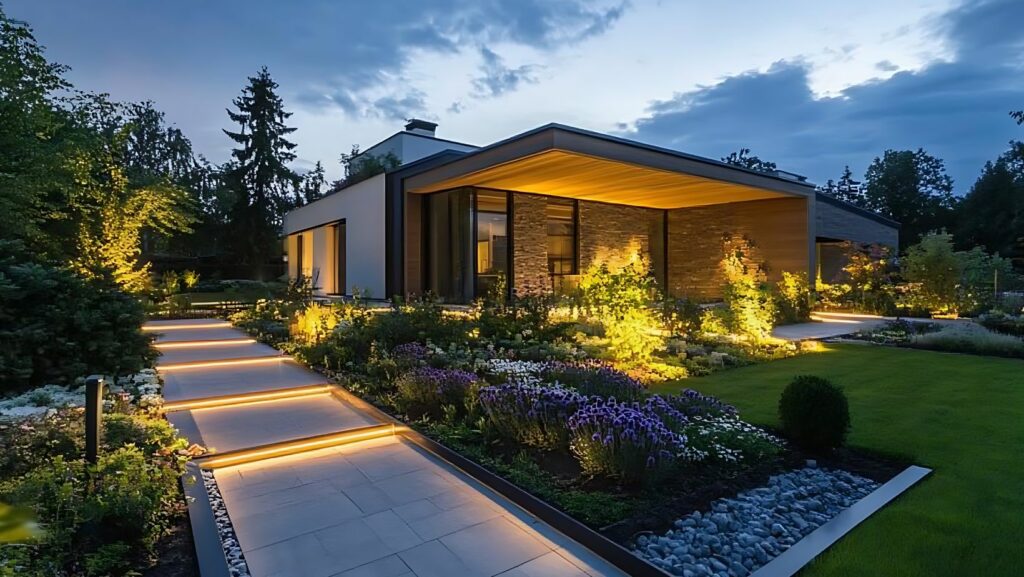
The word “modern” gets used for everything from glass heavy new builds to simple updated ranch homes. In practice, modern is less about a single look and more about a design mindset, clarity, function, light, and intentional materials. This guide breaks down what actually defines modern homes, how to spot modern cues on the exterior and interior, and how to identify the major residential architecture styles that people most often label as “modern.” If you want a clearer way to describe your own house design, this will help you use the right language, and make better choices.
Modern vs Contemporary, The Most Common Mix Up
Modern and contemporary are related, but they are not the same. Modern typically refers to a recognisable design lineage with consistent principles, simplified forms, minimal ornament, and a focus on function. Contemporary refers to what is current right now, which can borrow from modern, but can also blend other influences depending on trends, technology, and local taste. That is why many new builds get marketed as modern even when the architectural design is a mix of styles. A helpful way to think about it is this, modern is a set of rules, contemporary is a moving target. Once you learn the rules, you can identify modern homes by features, not by listing descriptions.
Why Some “Modern” Homes Look Dated
Modern homes can still age poorly when the design leans too hard on a short lived trend. Oversized accent walls, overly complex roof forms, or clashing material mixes can lock a home into a specific moment. Another common issue is copying a style without understanding the logic behind it, which often leads to awkward proportions and a disconnected floor plan. The best modern residential architecture styles are not defined by a single “statement” feature, they are defined by consistent choices that work together, from window placement to material transitions. If you want longevity, focus on strong fundamentals, clear geometry, sensible detailing, and a plan that supports daily life. Trendy elements can be added later, but the architecture should stay calm and coherent.
Core Principles That Define Modern Residential Design
Most modern homes share a few core principles, even when they look different from the street. The massing is usually clean and legible, with simple forms instead of decorative trim. The plan prioritises function, with efficient circulation, practical storage, and spaces that support how people live now. There is also a strong relationship to the outdoors, larger glazing, patios, courtyards, and sightlines that pull natural light deeper into the home. Materials are often “honest,” wood, concrete, steel, glass, stone, used in a way that highlights their texture rather than hiding it. Importantly, modern does not have to feel cold. Warmth comes from proportion, natural materials, and lighting design, not from ornament.
Modern Residential Architecture Styles You’ll See Most Often
When people talk about modern houses, they are often referring to one of these residential architecture styles.
Each has a distinct character, but they share the same backbone, simplicity, function, and intentional material choices.
Mid Century Modern
This style emphasises clean geometry, broad glazing, and a strong indoor outdoor connection. You will often see low rooflines, exposed structure, and warm wood tones. Many iconic architectural designs in this category balance minimalism with comfort.
Minimalist Modern
Minimalist modern reduces form and detail to the essentials. It uses restrained palettes, precise junctions, and minimal visual clutter.
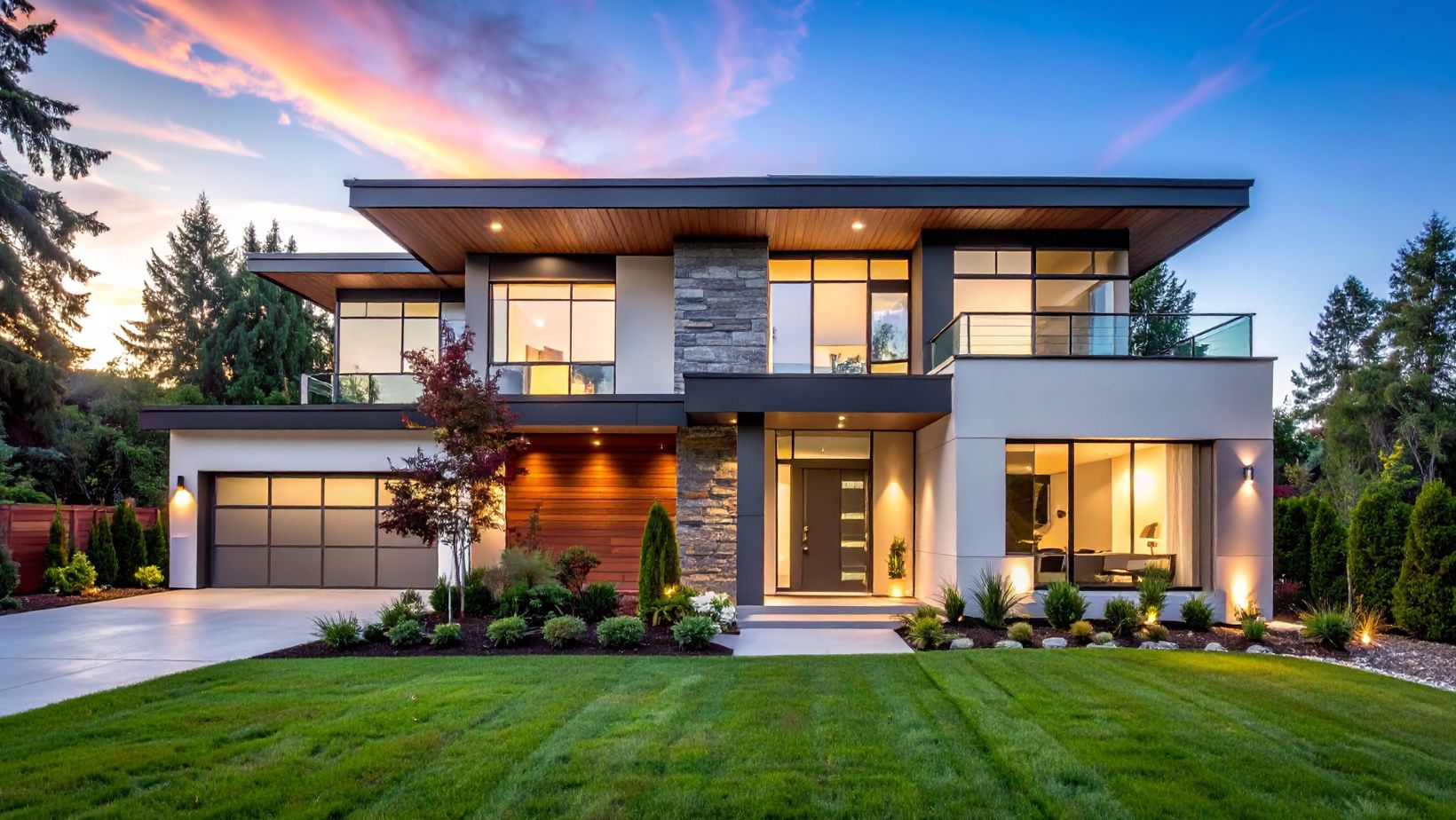
The goal is calm, with fewer materials used more carefully. It is one of the most recognisable modern house styles in recent builds.
Scandinavian Modern
Scandinavian modern brings warmth to simplicity. Light filled interiors, natural timber, and practical layouts are typical. It is a strong fit for family focused living because it pairs clarity with comfort, and it supports functional daily routines.
Industrial Modern
Industrial modern leans into structure and durability, concrete, steel, black framed glazing, and utilitarian finishes. It can feel bold, but the best examples still follow modern rules, strong proportions, controlled material palettes, and clean detailing.
Contemporary Modern
This category blends influences and evolves with current building methods. It often features dramatic glazing, mixed cladding, and flexible floor plans. It is modern leaning, but more open to new forms and emerging preferences.
Choosing the Right Style for Your Site and Lifestyle
Selecting from the most popular house styles is easier when you start with constraints, not inspiration photos. Consider climate and orientation first, shading, insulation, and window placement should suit the site. Then map your lifestyle, do you need quiet zones, work space, entertaining space, or long term accessibility. Think about maintenance, some modern house styles require more careful material upkeep than others. Finally, match ambition to budget. Simplifying the building form often saves money more effectively than cutting finishes. The best residential architecture styles are the ones that look right, and live right, in their specific context.
Final Thoughts, Modern Is a Set of Principles, Not a Template
A home reads modern when it is clear in form, logical in plan, and intentional in material choices. Once you understand the principles, you can evaluate modern houses with more confidence and describe them more accurately. Whether you prefer minimalist, mid century, or contemporary variations, modern works best when the architecture is calm, functional, and tailored to the site, not built around a single trend.