
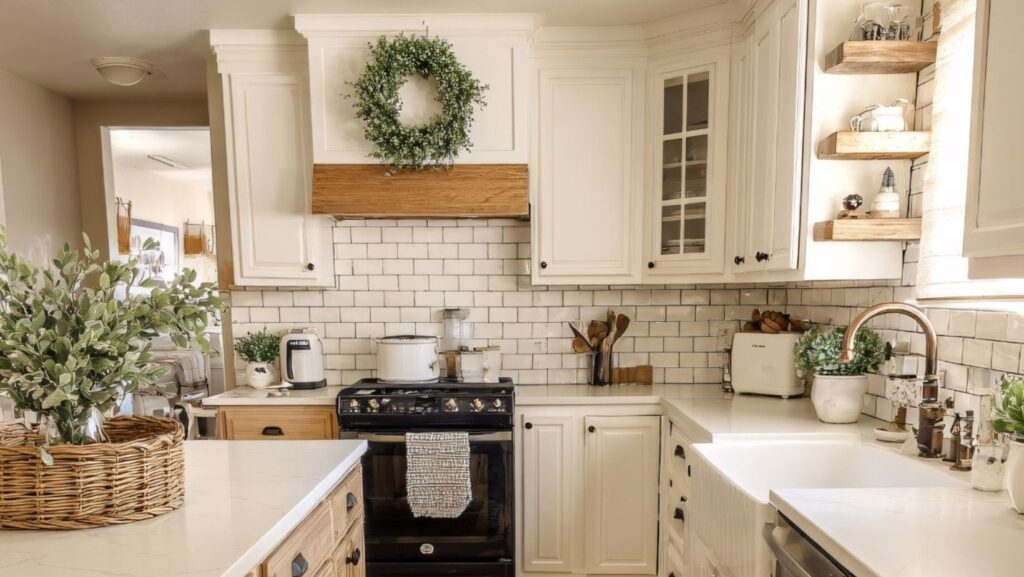
Kitchen tiles remain one of the best choices for modern kitchens because they combine hardness, hygiene and design flexibility in a single surface. They protect walls and floors from heat, moisture and stains while offering endless aesthetic possibilities. But what makes them so consistently reliable in one of the most demanding rooms in the home?
Why are kitchen tiles such a popular choice for modern kitchens?
Kitchen tiles are popular because they respond perfectly to the realities of everyday kitchen use while still allowing for strong design expression. Modern kitchens are no longer purely functional spaces – they are social hubs that need to look good and perform flawlessly at the same time.
Tiles meet both expectations with ease. They cope with temperature changes, splashes and heavy foot traffic, while offering a wide choice of colours, finishes and formats. This balance of practicality and visual appeal explains why kitchen tiles continue to dominate both new builds and renovations.
For those exploring design options, a wide range of finishes and styles can be found at
https://topceramics.co.uk/kitchen-tiles/ where kitchen tiles are presented not just as a surface, but as a key design element.
In addition, Top Ceramics offers an innovative Free Tile Visualiser on their website, allowing customers to design an entire kitchen online and receive a complete list of required tiles and materials. This forward-thinking tool makes it easier to plan a hygienic, well-designed kitchen with confidence.
What practical advantages do kitchen tiles offer?
Kitchen tiles offer practical advantages that few other materials can match. They are engineered to withstand constant use, resist damage and remain visually consistent over time, even in busy households.
Beyond functionality, tiles also support safety and comfort in the kitchen. Their stable surface performs well under pressure, making them suitable for both cooking zones and high-traffic areas without compromising on appearance.
Are kitchen tiles resistant to heat, moisture and stains?
Yes, kitchen tiles are specifically designed to handle heat, moisture and stains, which are unavoidable in a kitchen environment. Whether installed behind a hob or around a sink, tiles form a protective barrier that prevents damage to underlying surfaces.
This resistance is especially valuable in open-plan kitchens, where visual continuity matters. Tiles allow homeowners to maintain a clean, polished look without worrying about splashes, steam or cooking residues affecting the finish.
Are kitchen tiles easy to clean and maintain?
Kitchen tiles are easy to clean because their hard, non-porous surfaces do not absorb grease, liquids or odours. Regular maintenance usually requires nothing more than a simple wipe, which makes daily cleaning faster and more effective.
This ease of care helps kitchens feel consistently fresh and hygienic, even with frequent use. Over time, tiles also retain their original appearance better than many alternative materials, reducing the need for repairs or replacement.
How do kitchen tiles contribute to kitchen design?
Kitchen tiles play a central role in shaping the overall design of a kitchen. They introduce colour, texture and structure, helping to define zones and highlight architectural features without overwhelming the space.
A well-chosen tile can anchor the entire design scheme, tying together cabinetry, worktops and lighting. This makes tiles not just a practical choice, but a strategic design decision.
Can kitchen tiles enhance the overall look of a kitchen?
Yes, kitchen tiles can significantly enhance the overall look of a kitchen by adding depth and visual interest. From subtle neutral tones to bold patterns, tiles allow for personal expression while maintaining a cohesive aesthetic.
Their reflective or textured surfaces interact with light in a way that painted walls or flat panels cannot, giving kitchens a more dynamic and considered appearance.
Do kitchen tiles suit both classic and contemporary kitchens?
Kitchen tiles suit both classic and contemporary kitchens because they adapt easily to different styles. Traditional interiors benefit from timeless formats and soft colours, while modern kitchens often use large-format or minimalist tiles for a clean, architectural effect.
This adaptability ensures that tiles do not limit design choices. Instead, they provide a flexible foundation that works across changing trends and personal preferences.
Can kitchen tiles be used on both walls and floors?
Kitchen tiles can be used on both walls and floors, creating a sense of continuity throughout the space. Using complementary tiles in different areas helps visually connect the kitchen while clearly defining functional zones.
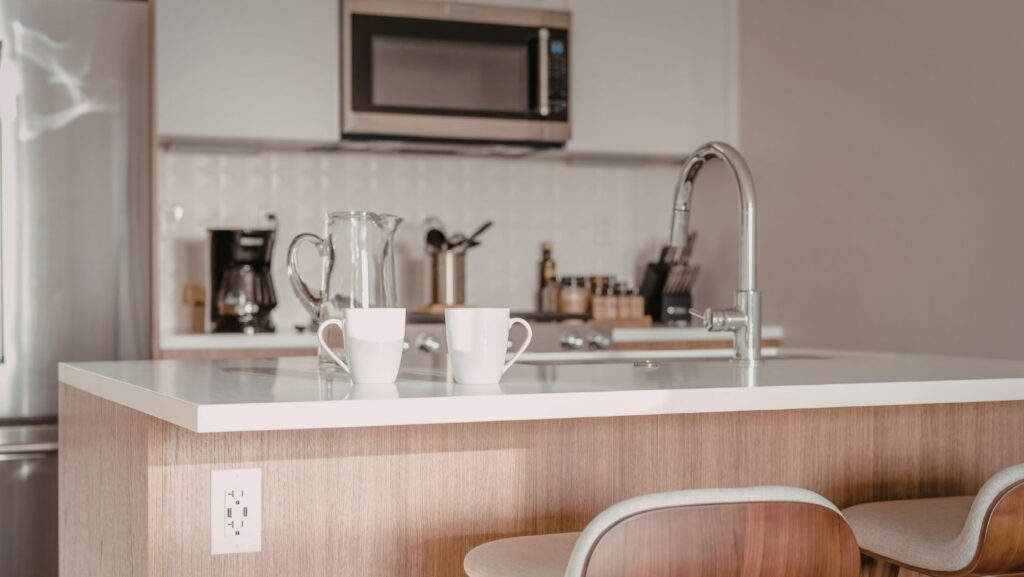
This approach also simplifies maintenance, as tiled surfaces offer consistent performance across the room. With the right technical specifications, tiles provide both comfort underfoot and ruggedness in high-use areas.
Are kitchen tiles suitable for splashbacks and feature walls?
Kitchen tiles are particularly well suited for splashbacks and feature walls because they combine protection with visual impact. Behind cooking areas, they shield walls from heat and spills while remaining easy to clean.
As feature elements, tiles can introduce contrast or texture without requiring major structural changes. This makes them an effective way to refresh a kitchen and add character with minimal disruption.
How do kitchen tiles support hygienic and healthy living?
Kitchen tiles support hygienic living by creating surfaces that are easy to keep clean and resistant to bacteria. Their non-porous nature prevents moisture and food residues from being absorbed, helping maintain high hygiene standards.
This is especially important in kitchens, where cleanliness directly affects health and wellbeing. Tiles contribute to a safer food preparation environment while reducing long-term maintenance concerns.
Conclusion: Why should you choose kitchen tiles for your kitchen?
You should choose kitchen tiles because they deliver long-lasting performance, easy maintenance and design flexibility in equal measure. They protect one of the most demanding spaces in the home while enhancing its visual appeal.
By combining practicality with aesthetic freedom, kitchen tiles remain a reliable, future-proof choice that supports both everyday living and thoughtful interior design.