
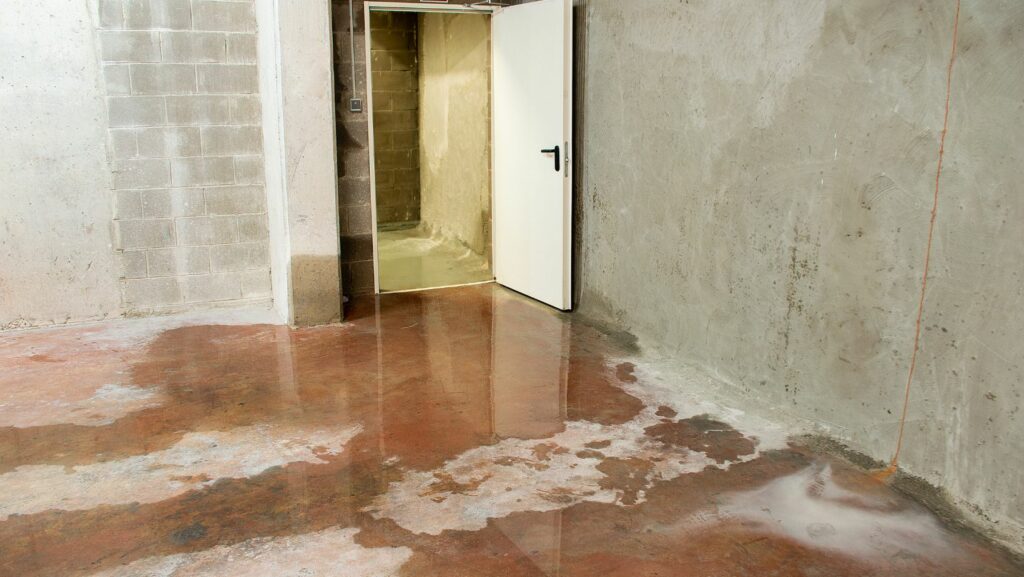
There’s something unsettling about walking into your basement and catching a whiff of musty air—or spotting a dark patch spreading along the corner of the wall. It’s easy to brush off at first. Maybe it’s just a little damp. Maybe it’ll dry on its own. But over time, these little warning signs often point to bigger problems lurking beneath the surface.
Basements are notorious for being the troublemakers of a home, especially when it comes to moisture. And the biggest challenge? You often don’t know something’s wrong until it’s already done damage.
That’s where basement waterproofing becomes more than just a preventative measure—it’s peace of mind.
Why Basements Get So Damp (Even When It Hasn’t Rained)
It might surprise you to know that water doesn’t need to be pouring in through cracks to wreak havoc. Basements can absorb moisture in all sorts of ways, even during a dry spell. Here’s how:
- Hydrostatic pressure: When groundwater builds up around your home’s foundation, it pushes against the basement walls. If there’s even a tiny crack, that pressure can force water inside.
- Poor drainage: If your gutters or downspouts direct water too close to the house, it can pool around the base and eventually find its way into the basement.
- Humidity and condensation: Even in homes without leaks, basements can be naturally cooler than the rest of the house. When warm, humid air hits those cool surfaces, it condenses—leaving walls and floors damp.
The Usual Suspects: What That Dampness Leads To
Damp basements aren’t just uncomfortable—they can cause serious problems over time. If you’ve noticed any of these issues, they may be tied to excess moisture:
Mould and Mildew
These aren’t just smelly or unsightly. Mould spores can spread quickly and aggravate health problems like asthma or allergies. Even if you clean what you see, it will return if the moisture source isn’t fixed.
Staining or Discoloration
If your walls or floors are showing mysterious brown or yellow marks, it could be minerals from water seeping in and evaporating.
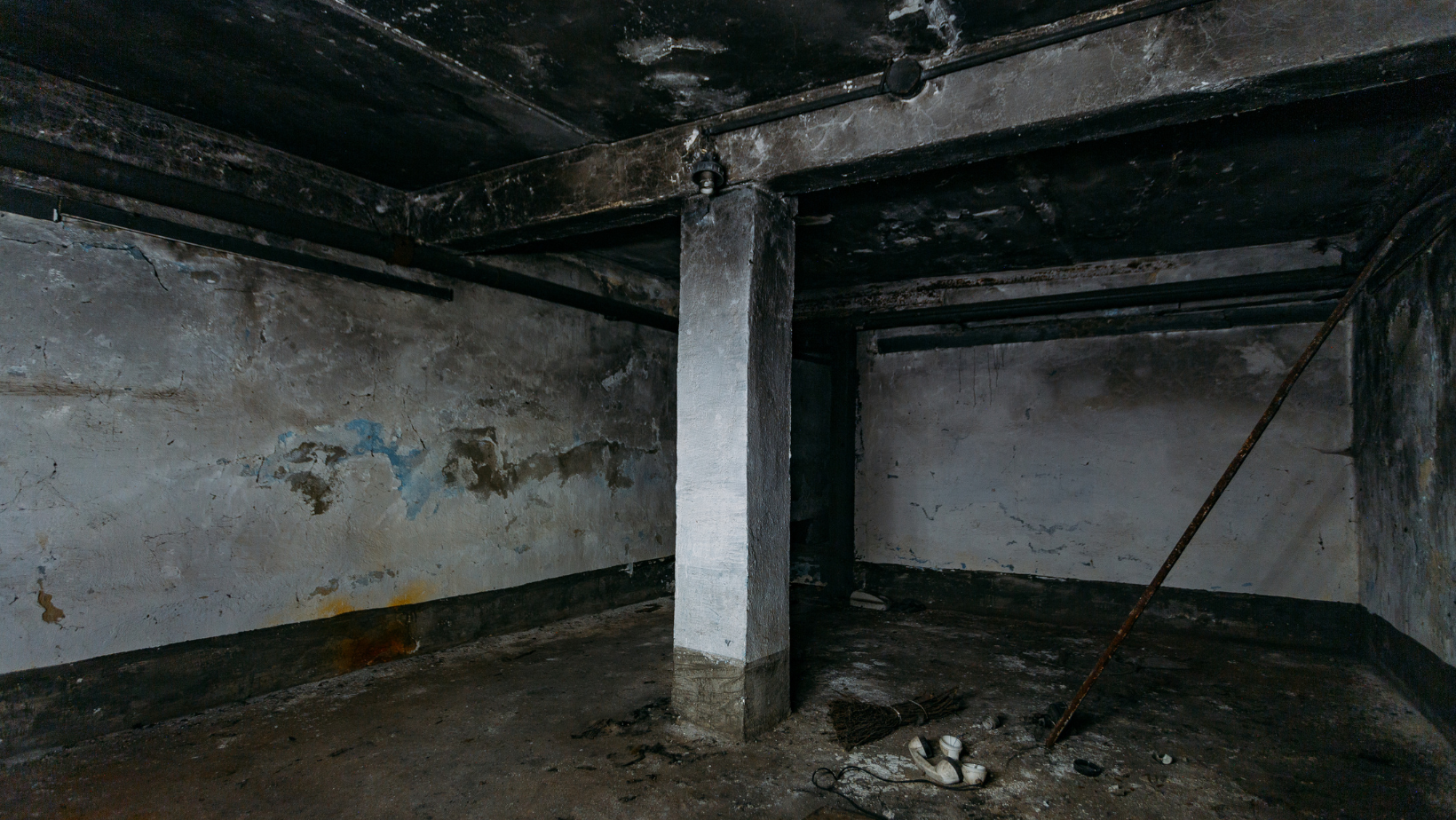
This is often called “efflorescence,” and while it’s not dangerous on its own, it’s a clear sign of water infiltration.
Warped Wood and Crumbling Concrete
Water weakens materials over time. In finished basements, you may notice baseboards pulling away from walls, floorboards warping, or even paint bubbling and peeling.
When to Take Action (Hint: Sooner Is Better)
If your basement feels damp, smells musty, or shows any of the signs above, don’t wait for it to get worse. Many homeowners put off dealing with water issues because they think it’s going to involve heavy construction or a major remodel—but that’s not always the case.
Taking early action can save you thousands of dollars in repairs down the line. Even simple measures like improving drainage or sealing small cracks can make a big difference.
Waterproofing Options That Actually Work
There’s no one-size-fits-all solution to basement moisture. The right fix depends on what’s causing the issue in the first place. Here are a few common approaches:
1. Interior Sealants
These are coatings or paints applied to interior walls to prevent moisture from seeping through. They’re a good first step, but often best used in combination with other methods.
2. Sump Pumps
If your basement frequently floods, a sump pump is your first line of defence.
It collects and pumps water away from your foundation before it can rise to floor level.
3. French Drains
Installed around the exterior of your home, these underground drains redirect water away from your foundation. It’s a bigger job—but highly effective.
4. Downspout Extensions and Grading
Sometimes, the fix is as simple as making sure water is moving away from your home. Adding extensions to your downspouts or sloping soil away from the house can prevent water from pooling where it shouldn’t.
Don’t Ignore the Signs
It’s tempting to treat basement issues as a cosmetic inconvenience—but the truth is, they can indicate deeper structural or environmental problems. Dampness left untreated doesn’t just stay in the basement—it affects the air quality of your entire home.
If you’re unsure about the cause or severity of what you’re seeing, a professional inspection can be a wise investment. They’ll help identify whether you need repairs, preventative work, or both.
Staying on top of moisture isn’t just about comfort—it’s about protecting your biggest investment from the ground up.