
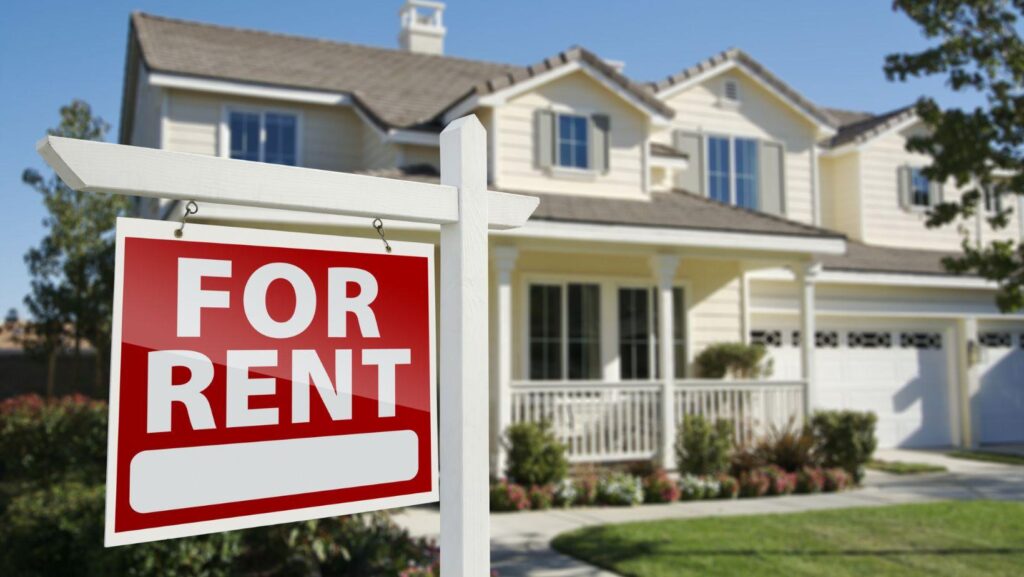
Owning rental property can look straightforward on paper. Rent comes in each month, routine expenses go out, and the remaining income contributes to the property’s long-term return. In practice, however, rental properties are operating businesses, and seemingly minor maintenance problems can quickly turn into significant financial losses.
A slow leak can become structural water damage. A failing air-conditioning system can create an emergency repair during the hottest week of the year. A small pest problem can spread from one unit to several. Even delays in responding to tenant complaints can increase turnover, reduce satisfaction, and create larger repair bills later.
For landlords and small real-estate investors, controlling costs is therefore about more than negotiating good prices with contractors. It requires identifying which property problems become expensive fastest and creating systems that address them before they escalate.
Water Damage Rarely Stays Small for Long
Water is one of the most destructive forces inside a rental property because damage can spread well beyond the location where the problem begins.
A leaking supply line beneath a sink may initially seem like a minor plumbing issue. If it remains unnoticed, moisture can reach cabinets, flooring, drywall, insulation, and even the unit below. Roof leaks can create similar problems, particularly when water travels behind walls before visible staining appears.
The repair bill may also extend beyond the original source of the leak. Landlords may need to pay for plumbing work, drying equipment, flooring replacement, drywall repair, repainting, and temporary tenant accommodations.
Preventive inspections can reduce this risk considerably. Checking plumbing connections, water heaters, roofs, gutters, bathroom seals, and visible pipes gives property owners a better chance of discovering moisture problems before they become major restoration projects.
Tenants also need an easy way to report leaks quickly. A dripping ceiling or unexplained damp spot should never require several phone calls before someone takes action.
HVAC Failures Can Become Expensive Emergencies
Heating and cooling systems tend to become most important at precisely the moment they are under the greatest strain. Unfortunately, that is also when neglected equipment is most likely to fail.
A furnace that stops working during freezing weather or an air-conditioning system that breaks during extreme heat may require an emergency service call. Contractors can be harder to schedule during peak periods, parts may be unavailable, and landlords may have limited time to compare repair options.
Regular HVAC maintenance helps shift these expenses from unpredictable emergencies to planned operating costs.
Filters should be changed on schedule, systems should be serviced periodically, and unusual noises, inconsistent temperatures, or rising energy use should be investigated. Older equipment should also be included in capital planning rather than being treated as though it will continue operating indefinitely.
Replacing a system is never inexpensive, but a planned replacement is usually easier to manage than an unexpected failure affecting an occupied unit.
Appliance Problems Add Up Faster Than Expected
Individual appliance repairs may not seem especially threatening to a rental-property budget. The problem is frequency.
Refrigerators, dishwashers, washing machines, dryers, ovens, garbage disposals, and other appliances all have finite working lives. A landlord managing several units can easily experience multiple failures in the same year.
There are also indirect costs. A tenant without a working refrigerator may lose food. A leaking dishwasher can damage flooring. A malfunctioning washing machine can create water damage far exceeding the cost of replacing the machine itself.
Keeping appliance records can help landlords identify patterns. Recording installation dates, repair histories, warranties, model numbers, and replacement costs makes it easier to determine whether another repair is sensible or whether replacement is the better financial decision.
Standardizing appliances across multiple units can simplify maintenance further because contractors become familiar with the equipment and replacement parts may be easier to source.
Pest Problems Become Property Problems
Pest infestations are sometimes treated as isolated tenant complaints, but in multi-unit properties they can become building-wide management problems.
Rodents, cockroaches, ants, bed bugs, and other pests do not necessarily remain confined to the unit where they were first discovered. They can move through wall cavities, plumbing openings, shared hallways, storage areas, utility spaces, and adjoining apartments.
Once an infestation spreads, the cost of resolving it can increase considerably. Property managers may face repeated treatment visits, tenant complaints, damaged insulation or wiring, contaminated storage areas, and questions about whether neighboring units should also be inspected.
That makes pest control an important part of preventive property maintenance rather than simply an emergency service used after an infestation becomes obvious. Landlords operating in New Hampshire, for example, may consider working with local providers such as Modern Pest Services Manchester when developing an inspection and prevention strategy appropriate to their properties.
Property managers should also address the conditions that encourage pest activity. Gaps around pipes, damaged door sweeps, overflowing dumpsters, standing water, poorly sealed food-storage areas, and cracks in exterior walls can all create opportunities for pests to enter or remain inside a building.
Fixing those underlying conditions often matters just as much as treating the pests themselves.
Delayed Repairs Often Cost More Than the Repair
One of the easiest ways to increase property expenses is to postpone maintenance that appears non-urgent.
A loose roof shingle becomes a leak. A small crack in exterior sealant allows moisture inside. A dripping faucet damages the cabinet beneath it. A running toilet increases the water bill month after month.
Deferred maintenance can be especially costly in rental properties because landlords do not observe the building every day. Problems may continue quietly between inspections unless tenants report them.
A clear maintenance process helps prevent small issues from disappearing into unanswered emails or informal conversations. Repair requests should be documented, prioritized, assigned, and followed through to completion.
Landlords should also distinguish between inconvenience and risk. Cosmetic problems may reasonably wait. Water intrusion, electrical issues, heating failures, damaged locks, and similar problems usually require faster action because the potential consequences are much greater.
Tenant Turnover Has Costs Beyond an Empty Unit
Landlords often focus on vacancy when calculating the cost of turnover, but lost rent is only one part of the expense.
After a tenant leaves, the property may require cleaning, painting, carpet replacement, repairs, advertising, showings, application processing, and lease administration. Utilities may temporarily revert to the landlord, and contractors may need access before the next tenant can move in.
Even a relatively short vacancy can therefore erase several months of operating profit.
Some turnover is unavoidable. People relocate, buy homes, change jobs, or need different amounts of space. However, avoidable turnover deserves attention.
Tenants are more likely to become frustrated when maintenance requests disappear, common areas deteriorate, communication is poor, or recurring problems remain unresolved. Good property management cannot eliminate turnover, but it can reduce the number of residents who leave because of preventable dissatisfaction.
Safety Problems Carry Disproportionate Risk
Certain property issues may be inexpensive to correct but extremely costly to ignore.
Missing smoke detectors, broken handrails, damaged steps, loose electrical outlets, malfunctioning exterior lights, defective locks, and blocked exits can create serious safety concerns.
The financial consequences of an incident can extend far beyond the repair itself. A landlord may face insurance claims, legal disputes, regulatory problems, emergency remediation, or difficulty renewing coverage.
Routine safety inspections therefore deserve the same attention as revenue and expense reports.
Rather than relying solely on tenant reports, property managers should periodically inspect common areas, exterior walkways, staircases, lighting, alarms, locks, and other safety-related systems. Documentation is also useful because it creates a record showing when inspections and repairs occurred.
Preventive Maintenance Makes Costs More Predictable
Many landlords hesitate to spend money on something that has not yet broken. That approach can seem economical in the short term but often creates expensive surprises.
Preventive maintenance changes the economics of property ownership by turning some emergencies into scheduled work.
A seasonal inspection might identify a deteriorating roof section before water enters the building. HVAC servicing may reveal a failing component before the entire system stops working. Plumbing inspections may uncover corrosion before a pipe bursts.
Property owners can also use recurring maintenance schedules for tasks such as gutter cleaning, exterior sealing, landscaping, pest inspections, HVAC servicing, smoke-detector testing, and water-heater checks.
The objective is not to eliminate every unexpected repair. Buildings contain too many components for that to be realistic. The goal is to reduce the number of problems that become expensive simply because nobody noticed them early.
Property Managers Also Need to Know the Limits of Their Role
Rental-property management occasionally involves situations that have little to do with repairing buildings.
Managers may encounter tenants experiencing financial hardship, medical emergencies, family crises, substance-use problems, or other serious personal challenges. These situations can affect rent payments, communication, property conditions, or relationships with neighbors, but landlords are not social workers or healthcare providers.
The appropriate response is usually to maintain professional boundaries while directing people toward qualified community services when appropriate.
For example, someone seeking help for substance-use concerns may need information about professional options rather than attempting to rely on a landlord or property manager for guidance outside their expertise.
Having a simple directory of local emergency services, housing resources, mental-health organizations, treatment providers, and community assistance programs can help managers respond more appropriately when unusual situations arise.
Good Property Management Is Mostly About Catching Problems Early
The most expensive rental-property problems are not always dramatic failures. Many begin as ordinary maintenance issues that become costly because they are overlooked, delayed, or handled inconsistently.
Water damage spreads. Mechanical systems deteriorate. Pest infestations move between spaces. Safety hazards remain unnoticed. Unanswered maintenance complaints contribute to tenant turnover.
Landlords who treat property management as a structured business operation can reduce many of these risks. Regular inspections, documented maintenance schedules, responsive communication, reliable contractors, and realistic capital reserves all make unexpected expenses easier to manage.
A rental property will always require repairs. The financial difference often comes down to whether those repairs happen while the problem is still small or after it has become an emergency.