
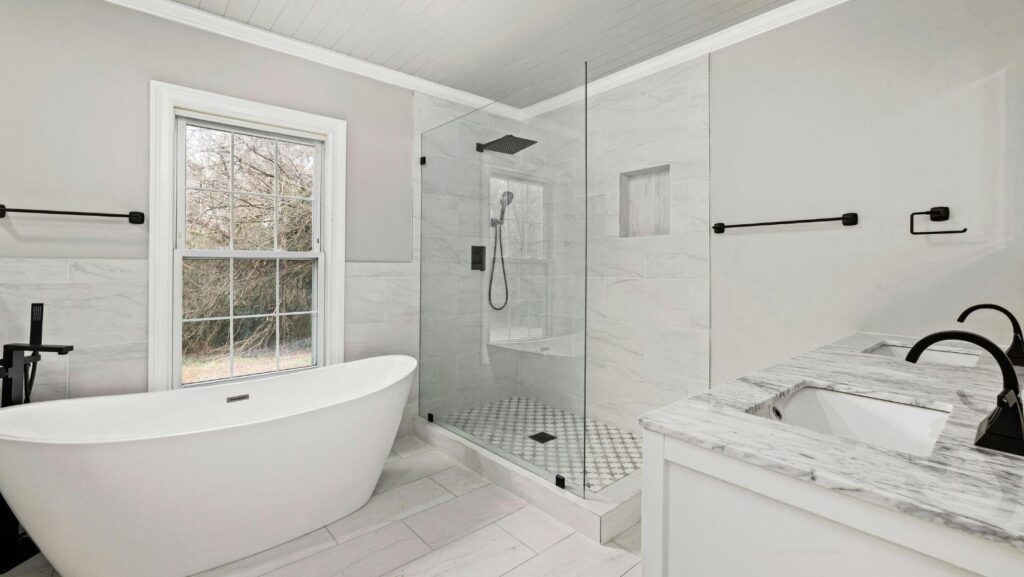
Start With How the Bathroom Is Used
Bathroom design has changed considerably over the years. What was once treated mainly as a practical room is now receiving the same level of planning as kitchens, living rooms, and other important areas of the home.
But a successful bathroom does not need to be oversized or filled with luxury features. Good design starts with understanding how the room is actually used.
Morning routines, storage needs, cleaning, accessibility, lighting, and the number of people sharing the space should all influence the final design. For homeowners considering Springfield Bathroom Remodeling, looking at these practical needs before choosing finishes can help create a bathroom that remains comfortable and functional long after current trends change.
Layout Comes Before Decoration
It is easy to begin a bathroom project by thinking about tile, colors, or fixtures. However, the layout usually has a much greater impact on everyday use.
A bathroom can look beautiful and still feel inconvenient if there is not enough room to move comfortably or if fixtures are poorly positioned.
Before changing the appearance of the room, it helps to consider how people move through it. Can cabinet doors open without blocking another area? Is there enough space around the shower? Are frequently used items easy to reach?
Storage Should Be Part of the Design
Bathrooms tend to collect more items than expected.
Towels, toiletries, cleaning products, hair tools, cosmetics, and everyday essentials all need somewhere to go. Without enough storage, even a newly renovated bathroom can quickly begin to feel cluttered.
Instead of adding storage after the design is complete, it makes more sense to plan it from the beginning.
Vanities with useful drawers, built-in shelving, medicine cabinets, and dedicated linen storage can make a significant difference without requiring a larger room.
The objective is not necessarily to create as much storage as possible. It is to create storage where people actually need it.
Lighting Needs More Than One Solution
Bathroom lighting has to perform several jobs.
Bright, practical lighting is useful around the mirror, while softer lighting can make the room feel more comfortable at other times of the day. Natural light can also make smaller bathrooms feel more open when the layout allows for it.
A single ceiling fixture may technically illuminate the room, but layered lighting generally provides more flexibility.
Good bathroom lighting can include:
- Task lighting around mirrors and vanities
- General lighting for the entire room
- Softer lighting for a more relaxed atmosphere
- Natural light where privacy and layout allow it
Lighting choices can also influence how colors, tile, and other materials appear, so they should be considered alongside the rest of the design rather than at the end.
Materials Need to Handle Real Life
Bathrooms create conditions that other rooms do not.
Water, humidity, frequent cleaning, and constant use mean that materials need to be selected for more than appearance.
A finish that looks impressive in a photograph may not be the best choice if it is difficult to maintain or poorly suited to a wet environment.
Flooring should provide appropriate durability and traction. Countertops should tolerate regular exposure to water and personal care products. Shower materials should be selected with both maintenance and longevity in mind.
Good Life’s bathroom service similarly emphasizes durable material selection alongside design, including tile, vanities, hardware, flooring, and shower components.
Think Carefully About the Shower and Tub
One of the biggest bathroom decisions is how much space to dedicate to bathing.
Some homeowners still value a traditional bathtub, particularly in family homes. Others rarely use one and would rather have a larger walk-in shower.
There is no single correct choice.
The decision should reflect the people using the bathroom instead of automatically following a trend. A household with young children may have very different priorities from someone renovating a primary bathroom for long-term use.
Walk-in showers can also incorporate features such as benches, handheld showerheads, and barrier-free entrances when comfort or accessibility is important.
Design for the Future
A bathroom renovation can remain in place for many years, so it is worth thinking beyond current needs.
Accessibility does not have to mean creating a bathroom that feels clinical. Wider shower entrances, comfortable layouts, better lighting, and easier-to-use fixtures can blend naturally into modern bathroom design.
Even homeowners who do not currently need these features may appreciate them later.
The same long-term thinking applies to style. Expensive permanent features can remain relatively timeless, while paint, hardware, mirrors, and accessories provide easier opportunities to experiment with trends.
This gives the room personality without making another major renovation necessary when tastes change.
Plan Before the Work Starts
Many bathroom decisions are connected.
Changing the layout may affect plumbing. A new vanity can influence lighting and outlet placement. Different shower dimensions may change tile quantities and installation requirements.
Making these decisions early can help avoid unnecessary changes once construction begins.
Homeowners who are still researching renovation options can also explore resources such as FindRemodeling.com when learning more about remodeling and considering professional help for a project.
Having a clear idea of priorities, budget, materials, and layout before construction begins can make the entire process easier to manage.
A Better Bathroom Is a More Useful Bathroom
Fresh bathroom design is not necessarily about following the newest trend.
It is about looking at an existing space and asking how it could work better.
Sometimes that means improving storage. In another home, it may mean changing the shower, adding better lighting, improving accessibility, or simply creating a layout that makes more sense.
Style still matters, but the strongest bathroom designs combine appearance with practical decisions that continue making a difference every day.
When layout, materials, lighting, storage, and long-term needs are considered together, the result can be a bathroom that feels updated without sacrificing the reason the room exists in the first place: to work well.