
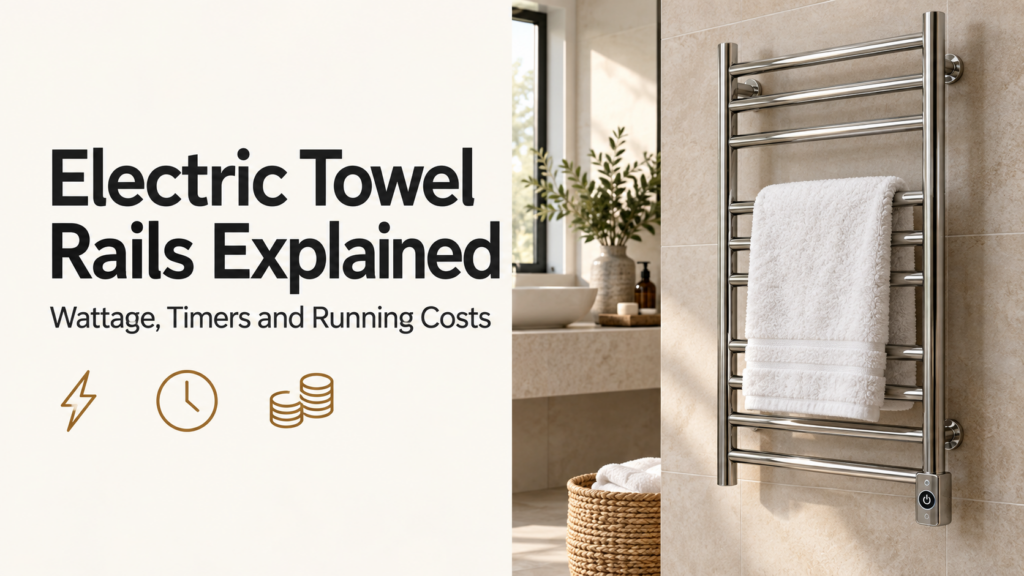
In today’s modern homes, ensuring comfort and energy efficiency in every room is paramount. Among the innovations that have gained popularity are electric towel rails . Not only do they provide the luxury of warm towels, but they also contribute to the ambient temperature of your bathroom. Understanding their operation, especially when it comes to wattage, timers, and running costs, is key to making an informed decision when integrating one into your home.
Understanding Wattage
Wattage determines the heating capability and energy consumption of an electric towel rail. Typically, these appliances range between 60 to 400 watts. The right wattage depends on the size of the bathroom and the needs of the user. For just warming towels, a lower wattage might suffice, but for a dual-function of heating the room as well, a higher wattage is more effective. Choosing the correct wattage ensures efficiency, preventing unnecessary energy expenditure and assuring user satisfaction.
The Role of Timers
Timers are a crucial component in managing the operation of electric towel rails. They allow users to set specific times for the unit to turn on and off, aligning with daily routines and energy saving preferences. Setting a timer for peak domestic periods, such as mornings or evenings, can ensure warm towels are ready when needed. Additionally, using timers can prevent excessive energy use, as the appliance does not remain active all day, thus contributing to lower energy bills.
Evaluating Running Costs
Running costs are an essential consideration when assessing the long-term implications of installing an electric towel rail. These costs are influenced by factors such as wattage, usage frequency, electricity rates, and the presence of a timer. On average, assuming mid-range energy tariffs, an electric towel rail running for a couple of hours daily can cost from £20 to £40 annually. Knowing the estimated running costs helps in budgeting and ensuring the sustainability of home energy use.
Energy Efficiency Tips
Optimising the use of electric towel rails can significantly improve energy efficiency. Installing a programmable timer or using smart home integrations can further enhance control over the appliance’s operational time. Moreover, selecting a suitable model with a thermostat can help maintain desired temperatures without consuming excess energy. Proper installation and maintenance are also pivotal in ensuring the appliance functions efficiently over its lifespan.
Choosing the Right Electric Towel Rail
Several factors should guide the choice of an electric towel rail. Beyond wattage, style and material are vital in ensuring the appliance complements the bathroom décor while fulfilling its functional role. Materials like stainless steel or chrome provide durability and resistance to moisture. Additionally, considering installation requirements and how the unit will integrate with existing bathroom fittings can also influence your decision. With a wide variety of designs available, homeowners can find electric towel rails tailored to their aesthetic and functional needs.
Electric towel rails provide a blend of convenience and luxury, promising warm towels and an extra source of heat in the bathroom. By understanding wattage, leveraging timers effectively, and being mindful of running costs, homeowners can maximise the benefits of these versatile appliances, ensuring efficiency and enhancing comfort in their homes.