
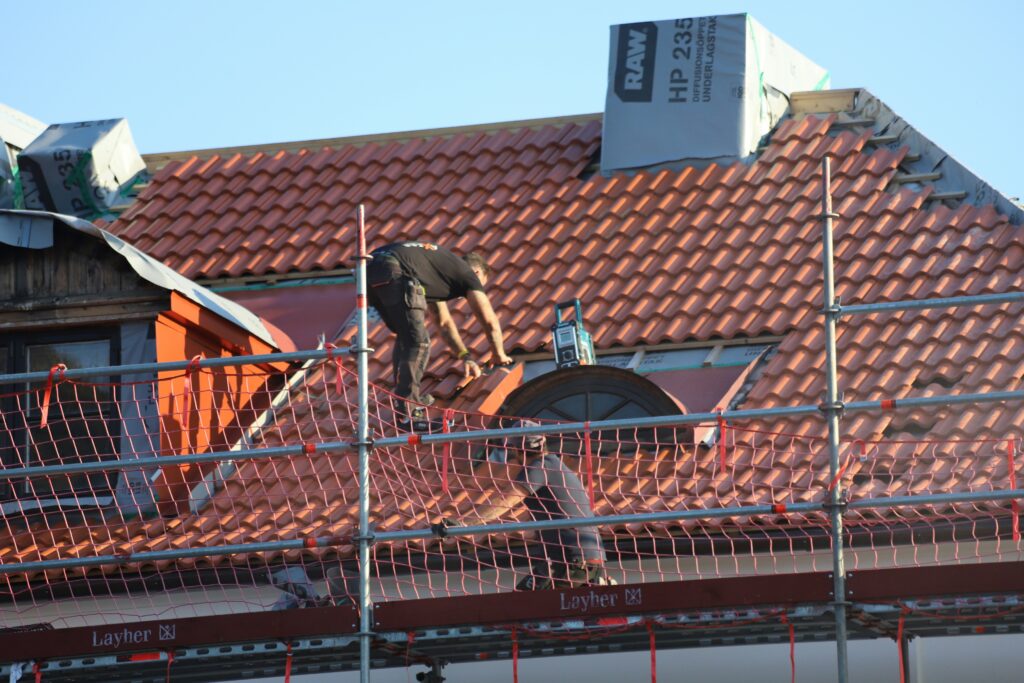
A roof installation upgrade is a major decision for any homeowner. It’s not simply about replacing old materials—it’s about improving the safety, comfort, and longevity of your entire home. We will explore how to recognize the signals that indicate it’s time to invest in a new or enhanced roofing system. Knowing when to move forward requires careful observation, an understanding of roof performance over time, and the willingness to address issues before they become catastrophes. When you can interpret the signs correctly, you’ll be able to time your roof installation upgrade so that it protects your property and adds lasting value.
Key Indicators You’re Ready for a Roof Installation Upgrade
- Visible Damage and Aged Roof Materials
If you notice widespread wear across your roof surfaces, such as cracked or curling shingles, exposed nail heads, or sagging areas, those are clear physical cues that the current roof system is nearing the end of its functional lifecycle. Roofing materials are designed to withstand decades of weather, but prolonged exposure to sun, wind, rain, and temperature shifts eventually wears them down. Once the protective layers fail, leaks can form, insulation efficiency drops, and the structural components beneath the surface become vulnerable. If more than a handful of shingles are missing, granules have collected in gutters, or tiles show deep fractures, it’s time to prepare for a comprehensive roof installation upgrade.
Beyond the surface, older roofs often have underlayment that has deteriorated quietly over time. This layer is critical to keeping water out of your home, and once it fails, even minor precipitation can lead to interior damage. You may also notice small water stains appearing on ceilings or along attic walls—early warnings that water is penetrating the roof system. Evaluating the roof’s age is also key; most asphalt shingle roofs last 20–25 years, while other materials may have shorter lifespans. Consulting local roofing specialists can help determine your roof’s condition and the urgency of replacement. When your roof’s age aligns with visible wear, planning an upgrade becomes a practical and timely choice.
- Recurring Leaks and Interior Damage
One of the most frustrating experiences for homeowners is dealing with persistent leaks. If every rain event brings water stains, damp insulation, or attic rot, it signals that your roof’s ability to keep moisture out has degraded significantly. A roof installation upgrade isn’t just about patching isolated leaks—it’s about restoring complete protection for the internal components of your home. Even small, recurring leaks can lead to mold growth, compromised structural framing, and higher energy costs if insulation becomes wet or compressed. Choosing to upgrade the roof prevents these issues from spreading and becoming more expensive to fix later.
Water intrusion also often appears in less obvious locations. Check around chimneys, vent stacks, and skylights, as these areas are common sources of water intrusion when flashing is worn or improperly sealed. Interior signs such as bubbling paint, warped wood trim, or a musty scent in upper rooms indicate moisture has been entering for some time. Upgrading the roof installation restores integrity to these vulnerable connection points. By addressing the problem comprehensively through a new installation, you achieve a roof system that repels water effectively and maintains a dry, comfortable living space inside.
- Energy Bill Increases and Poor Climate Control
An aging roof can affect more than just water protection; it can also affect your home’s ability to regulate temperature. When roofing materials lose their reflective properties, and underlayment becomes thin or damaged, heat can infiltrate during hot weather and escape during cold spells. As a result, your heating and cooling systems must work harder to maintain a comfortable indoor environment, which shows up as increased energy bills. If you notice unusually high monthly utility costs without a clear explanation, your roof could be a contributing factor. An installation upgrade allows you to incorporate modern materials that improve insulation and thermal performance, reducing strain on HVAC systems and lowering energy expenses.
Moreover, attic ventilation plays a key role in roof performance. Poor airflow traps heat and moisture, accelerating material breakdown and making temperature regulation more difficult. During an upgrade, you can address ventilation issues by adding ridge vents, soffit vents, or turbine vents to improve air circulation. Proper ventilation extends the lifespan of roofing components, keeps temperatures stable, and prevents ice dams from forming in cold climates. When your roof can no longer support effective climate control, and you’re seeing the financial impact on energy bills, it’s a clear opportunity to plan a roof installation upgrade that enhances both comfort and efficiency.

Upgrading your roof installation is not just a reactive measure—it’s a proactive investment in comfort, safety, and property longevity. When you notice clear signs of material deterioration, persistent leaks, rising energy bills, interior comfort problems, or upcoming renovation plans, these are meaningful indicators that your current roof may no longer be performing effectively. Taking action at the right time prevents costly repairs, protects your living environment, and improves your home’s overall performance. By understanding what to look for and interpreting these signals accurately, you can move forward with confidence that a roof installation upgrade is the right next step for your property.
Recognizing when to upgrade your roof installation can save you from future headaches and financial strain. Paying attention to signs of aging, performance issues, and changes in your home’s comfort and energy usage gives you the insight needed to act wisely. When these indicators align with your goals for home quality and value, pursuing an upgrade positions you to enjoy a more secure and efficient living environment for years to come.