
Is your home drafty, uncomfortable or spending you way too much money on energy bills?
You are not alone. Millions of homeowners battle cold spots in the winter, hot spots in the summer, and rising utility bills. And most have no idea why.
Here’s the truth:
Home comfort issues can be simplified into three factors: insulation, ventilation and their interaction. Address these properly and you can reduce your energy costs, improve comfort and extend the life of your home.
Let’s dive in…
What’s inside:
- Why Home Comfort Actually Matters
- What A Home Energy Audit Reveals
- The Big Three: Insulation, Airflow & Air Sealing
- Simple Steps To Improve Comfort Today
Why Home Comfort Actually Matters
Comfort isn’t just about how nice your living room feels…
It impacts your health, your budget and your home resale value. If your home is improperly insulated and has poor airflow it’s going to cost you thousands to heat and cool. Plus it can cause bigger problems down the road like mould, poor indoor air quality and structural damage.
Here’s the kicker:
The majority of homeowners aren’t even aware there is a problem until it’s looked at by a trained eye. A home energy audit is when a specialist sits down and shows you specifically where your home is losing comfort and energy. It’s the first (and most crucial) step towards making your home whole again.
By far the easiest way is to hire experienced home performance contractors who will perform a comprehensive home energy audit and find issues that you would never know existed. They have professional tools such as blower doors, infrared cameras, and combustion analysers that can identify issues that a visual inspection will never find.
Why does this matter so much?
Insulate yourself because the U.S. Department of Energy says eliminating drafts can save you 5% to 30% annually on heating bills. That’s actual cash back into your pocket each month.
What A Home Energy Audit Reveals
Why is it that one room in your house is ice cold and another room is burning up?
An energy audit will tell you precisely why. While conducting the energy audit, a certified technician will walk through your home and look for:
- Air leaks around windows, doors, and outlets
- Insulation gaps in the attic, walls, and basement
- Duct leakage in your heating and cooling system
- HVAC efficiency and overall performance
- Ventilation and air quality issues
After the audit is completed, you receive a comprehensive report highlighting where your home is losing energy. Wait…there’s more…
It prioritizes the repairs that will cost you the least money. This means you won’t have to guess. You also won’t waste money. You’ll get faster results.
The scary part?
The U.S. Department of Energy says up to 40% of energy used at home is lost through leaks in your home’s building envelope and ductwork. Nearly half of what you spend on energy is literally going out the window.
The Big Three: Insulation, Airflow & Air Sealing
Let’s break down the three things every homeowner needs to understand…
Insulation
Insulation is what holds warm air during the winter, and cool air during the summer.
If your home isn’t properly insulated your HVAC system is forced to work harder than necessary to heat or cool your home. This costs you more money on energy bills and wears your equipment down much faster. Most common areas in need of insulation are:
- Attics
- Exterior walls
- Basements and crawl spaces
- Around ducts and pipes
Older homes are typically the worst offenders. Houses built many years ago often used what is now considered inadequate insulation. For example, uninsulated walls can contribute between 15% and 25% of total heat loss for the average home.
Airflow
Airflow is all about how air moves through your home.
Good airflow equals proper circulation of fresh air, humidity is controlled, and your HVAC unit is able to push air to each room in your home. Poor airflow causes:
- Uneven temperatures throughout the home
- Musty smells and poor air quality
- Higher humidity in certain rooms
- Extra dust and allergens
The primary offender: leaky ductwork. Approximately 20% to 30% of conditioned air escapes from ductwork due to leaks and holes before it can reach its destination.
Air Sealing
Air sealing means stopping drafts, closing all leaks where air can escape.
Around windows, doors, electrical outlets, plumbing penetrations and attic hatches. These are just some of the most common areas. One of the least expensive improvements to your home that you can make. Even better?
Sealing your home can increase comfort while cutting costs significantly. Air sealing can reduce energy use by 10% to 20% in average homes.
Simple Steps To Improve Comfort Today
You don’t have to spend a fortune on improving your home comfort. Try these simple solutions:
- Close the big gaps. Get some weatherstripping and caulking, and seal up around windows and doors. Cover up any noticeable cracks you see. Inexpensive and can be done in a weekend.
- Inspect your attic insulation. If the tops of your ceiling joists are visible, you likely don’t have enough insulation in your attic. Adding insulation is one of the quickest ways to gain comfort.
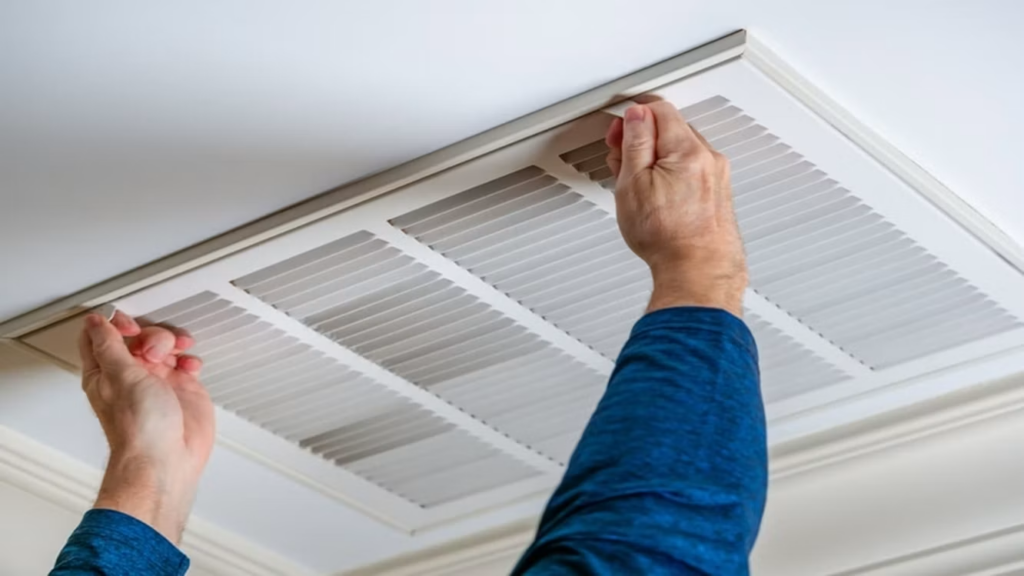
- Swap out your air filters. When your filters are dirty they limit air flow and make your HVAC system work harder than necessary. Replace filters every 1-3 months for optimal efficiency.
- Get your ducts tested. Due to the significant energy loss associated with duct leakage, testing and sealing can quickly pay for itself.
- Hire a professional auditor. As stated above this is by far the best way to know precisely what’s happening inside your home.
Do these things and you’ll notice and improve things within a short period of time. Also, many of these improvements are eligible for federal tax credits. Meaning the government pays you to do them.
Bringing It All Together
Insulation, ventilation and comfort are all interrelated. Improving one will typically improve the other two as well.
The easiest part is you don’t have to do it alone. A professional home energy audit eliminates the guesswork and provides you with a roadmap to a more comfortable efficient home.
Quick recap:
- Insulation keeps conditioned air where it belongs
- Airflow makes sure that air reaches every room
- Air sealing plugs the leaks that waste your money
- A home energy audit ties it all together
Act now instead of waiting for winter to come and bills to soar. You’ll be thanking yourself later!