
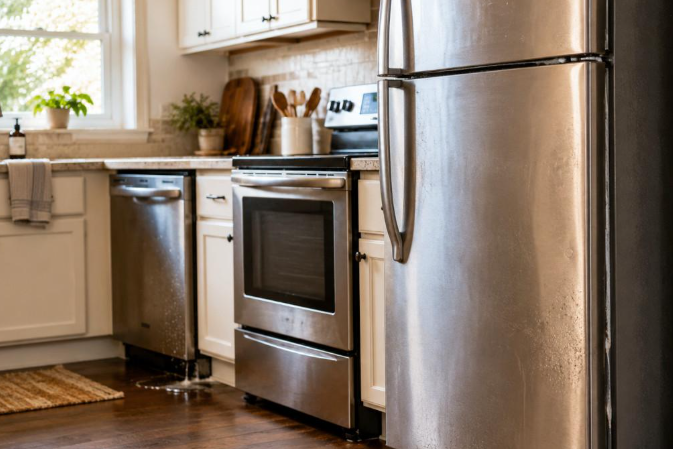
I’ve replaced exactly one refrigerator before its time, and it still bugs me.
For months, the compressor had been getting louder. I noticed it, but I kept telling myself that it was probably normal. Six weeks later, the refrigerator stopped working on a Friday, with a fridge full of groceries.
That experience changed how I look at appliance problems. A refrigerator, dishwasher, oven, or range does not always fail without warning. Small changes in sound, temperature, energy use, or performance can appear well before a major breakdown.
Not every warning sign means an appliance needs to be replaced. Some problems are inexpensive to repair. Others may signal that an older appliance is becoming more trouble than it is worth. Knowing the difference can help you decide what to do before a minor problem becomes an emergency.
Key Takeaways
- New or worsening noises can indicate a struggling motor, fan, relay, or other component.
- An unexplained increase in energy use may mean an appliance is working harder than it should.
- Inconsistent refrigerator or oven temperatures can point to problems with sensors, thermostats, seals, or heating components.
- A pattern of frequent repairs can make an aging appliance less economical to maintain.
- Rust, leaks, damaged seals, and other visible problems should be investigated before they cause additional damage.
- Many major kitchen appliances can last around 10 to 15 years, although actual lifespan varies by appliance type, usage, maintenance, installation, and build quality.
1. Strange or Unfamiliar Noises
A change in an appliance’s normal sound is easy to dismiss, especially when everything still appears to be working.
A refrigerator may start humming more loudly than usual. A dishwasher might develop a grinding or buzzing sound during a cycle. An oven or range could begin clicking repeatedly when it should not.
A freezer can also make clicking sounds for several reasons. If you’re wondering, “Why is my freezer making a clicking sound?” paying attention to when the clicking occurs and whether it is accompanied by cooling problems can help narrow down the cause.
Sometimes the cause is relatively minor. For example, a refrigerator fan may rub against built-up frost. In other cases, an unusual sound can point to a failing motor, relay, or electrical component.
The important factor is not simply whether an appliance makes noise. Most appliances make some noise during normal operation. The concern is a sound that is new, recurring, unusually loud, or progressively getting worse.
Pay attention to when the noise occurs, too. Does it happen when the refrigerator starts cooling? Only during a dishwasher cycle? When the oven heats up? Knowing when the sound appears can make it easier to identify the underlying problem.
Simple issues such as loose items, visible frost, or blocked airflow may be possible to check yourself. Electrical components, sealed refrigeration systems, and complex mechanical problems are better left to a qualified technician.
2. Your Energy Bills Are Rising Without a Change in Usage
A higher utility bill does not automatically mean an appliance is failing. Seasonal temperatures, utility rates, and changes elsewhere in the home can all affect energy costs. A seasonal home reset can also help you catch maintenance issues that affect efficiency before they become more expensive problems.
However, an unexplained increase that continues for several billing cycles is worth investigating, particularly if your household’s usage has stayed about the same.
An aging appliance can become less efficient before it develops an obvious performance problem. A refrigerator with a damaged door seal may run more frequently because it is losing cold air. A dishwasher with a failing heating element may need longer cycles to reach the required temperature. An oven with deteriorating insulation can lose heat and work harder to maintain its setting.
Rather than assuming the higher bill is unavoidable, look for other changes in appliance behavior. Is the refrigerator running almost constantly? Are dishwasher cycles taking longer? Does the oven seem to struggle to reach temperature?
Energy use alone cannot tell you that an appliance is failing, but it can be a useful clue when combined with other warning signs.
3. Temperatures Are No Longer Consistent
Temperature problems can be particularly important because they affect both appliance performance and, in the case of refrigerators, food safety.
A refrigerator that is not maintaining a consistent temperature may leave some food warmer than expected while other items become partially frozen. An oven may consistently run hotter or cooler than the temperature shown on its control panel.
Several components can contribute to these problems, including sensors, thermostats, door seals, heating elements, or other internal parts.
You do not have to guess whether the temperature is actually changing. An inexpensive appliance thermometer can help you check a refrigerator’s internal temperature. For an oven, an oven thermometer can show whether the actual temperature differs significantly from the selected setting.
A single inconsistent reading does not necessarily mean the appliance is nearing the end of its life. A persistent problem, especially when combined with unusual noises, longer operating times, or other performance changes, deserves closer attention.
Avoid opening electrical components or attempting repairs that require specialized equipment. A temperature problem may have a simple cause, but finding the underlying fault can require professional testing.
4. Repairs Are Becoming More Frequent and More Expensive
One repair does not mean an appliance is ready for replacement.
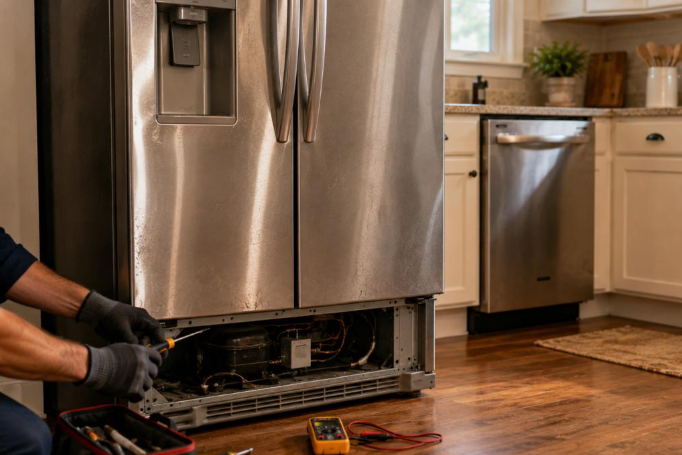
Parts wear out, and even relatively new appliances can occasionally need service. The bigger concern is a pattern of repeated repairs, particularly when an older appliance starts developing different problems one after another.
When that happens, look at the bigger picture instead of considering each repair on its own.
Consider the appliance’s age, its repair history, the cost of the current repair, and the price of a comparable replacement. It is also worth considering how much useful life you can reasonably expect after the repair.
For example, repairing a relatively new refrigerator with one inexpensive failed component may make perfect sense. An older dishwasher that has already needed several repairs may be a different story.
Energy efficiency matters, too. An appliance that is expensive to operate and increasingly unreliable may be harder to justify repairing, even when the immediate repair cost seems manageable.
There is no single repair-versus-replace rule that works for every appliance. The right decision depends on the appliance, its condition, and the likely cost of keeping it running.
5. You Notice Rust, Moisture, Leaks, or Other Visible Damage
Some appliance problems are easier to spot than others.
Look for signs such as:
- Rust around a dishwasher door or other metal components
- Water or condensation underneath a refrigerator
- Cracked, loose, or deteriorating door seals
- Moisture collecting in areas that should remain dry
- A range or stove that no longer sits level
- Cracked or damaged exterior housings
These problems can be caused by failing seals, gaskets, drainage systems, or structural components.
Moisture deserves particular attention. A small leak may not seem serious at first, but water can eventually damage flooring, cabinets, or nearby materials. Rust can also spread if the moisture causing it is not addressed.
A damaged door seal is another example of a problem that should not necessarily be ignored. Replacing a seal may be much simpler and less expensive than dealing with the consequences of an appliance that has been operating inefficiently for months.
The earlier visible problems are investigated, the more options you may have.
Older Kitchens May Need an Electrical Check
Appliance problems are not always caused by the appliance itself.
In older homes, the electrical system may have been designed around different appliance loads. That does not automatically mean the wiring is unsafe or that a modern appliance cannot be used. However, unusual electrical behavior should not be ignored.
Repeated breaker trips, flickering lights, warm outlets, burning smells, or other unusual electrical symptoms are reasons to stop troubleshooting the appliance yourself and have a qualified electrician inspect the circuit.
The source of the problem could be the appliance, outlet, circuit, wiring, or another part of the home’s electrical system.
What to Do When You Notice a Warning Sign
The biggest mistake I made with my refrigerator was assuming that a new sound was simply part of getting older.
The compressor had been getting louder for weeks. The refrigerator was still cooling, so there seemed to be no immediate reason to worry. By the time it stopped working, there was little opportunity to deal with the problem on my own terms.
That does not mean every unusual sound or minor performance change requires an immediate replacement. In many cases, identifying the problem early can give you more options.
A relatively inexpensive component may be repairable. A damaged seal may be replaceable. A developing problem may also give you time to compare repair costs with replacement options instead of dealing with a sudden breakdown.
If you are not sure whether a problem is worth repairing, having the appliance inspected can help you make a more informed decision. For Atlanta homeowners who need professional help diagnosing or repairing a kitchen appliance, Appliance EMT can assess the problem and recommend the appropriate repair.
The goal is not to panic every time an appliance behaves differently. It is to recognize persistent changes and investigate them before they turn into a much bigger problem.
Frequently Asked Questions
How long do kitchen appliances usually last?
Many major kitchen appliances can last around 10 to 15 years with normal use and reasonable maintenance. However, lifespan varies by appliance type, usage, maintenance, installation, and build quality.
A refrigerator, dishwasher, oven, and range can all have different service lives, so age should be considered alongside the appliance’s current condition.
Is it cheaper to repair or replace an old appliance?
It depends on the appliance and the problem. Consider its age, repair history, current repair cost, expected remaining lifespan, energy efficiency, and the price of a comparable replacement.
A relatively new appliance with one inexpensive repair may be worth fixing, while an older appliance with repeated failures may make replacement more practical.
What are the most common warning signs that an appliance is failing?
Common warning signs include new or worsening noises, inconsistent temperatures, unexplained increases in energy use, repeated repairs, leaks, rust, damaged seals, and noticeable changes in performance.
One symptom alone does not necessarily mean an appliance has reached the end of its lifespan. A combination of problems is more concerning.
Can I troubleshoot strange appliance noises myself?
You can often identify when and where a noise occurs and check simple issues such as loose items, blocked airflow, or visible frost.
Electrical components, sealed refrigeration systems, and complex mechanical repairs should be handled by a qualified professional.
When should I replace a kitchen appliance instead of repairing it?
Consider replacement when an appliance is older, has a history of repeated repairs, requires an expensive repair, or shows several signs of declining performance.
Energy efficiency and expected remaining lifespan should also factor into the decision. A repair may be worthwhile if it can restore reliable operation for several more years. If additional major failures are likely, replacement may make more sense.
Know When Your Appliance Needs Attention
Kitchen appliances do not always fail without warning. A new sound, inconsistent temperature, unexplained increase in energy use, repeated repairs, a leak, or visible damage can be an early indication that something needs attention.
None of these signs automatically means an appliance needs to be replaced. Some problems are straightforward to repair, particularly when they are caught early.
The lesson I learned from my refrigerator is simple: do not ignore a change just because the appliance is still working.
Investigating a persistent warning sign can give you time to repair the problem, plan for a replacement, or prevent a small issue from causing expensive damage. That is much better than discovering the appliance has failed when you need it most.