
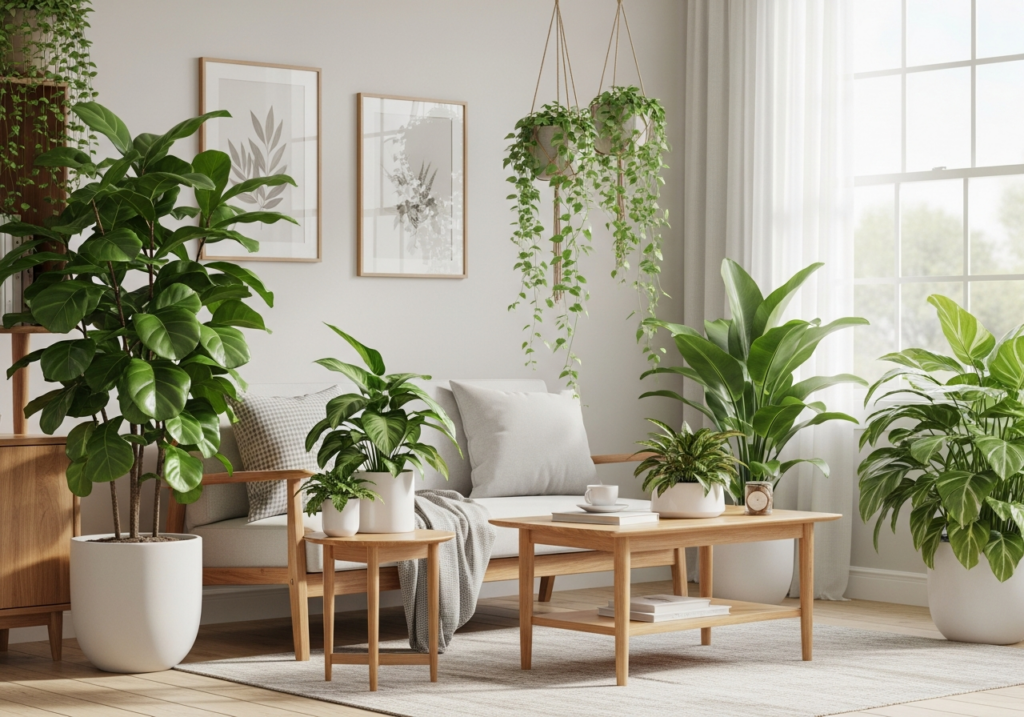
Most people spend the overwhelming majority of their waking hours indoors, yet the spaces they inhabit rarely reflect the natural world in any meaningful way. Biophilic design addresses this disconnect by weaving natural elements into interior environments to support comfort, focus, and psychological wellbeing. Houseplants are among the most accessible tools for achieving that connection—from small potted succulents on a desk to trailing vines in hanging baskets and large indoor plants that anchor entire rooms. This article explores how to use plants thoughtfully in home design, what they contribute beyond pure decoration, and how to keep them thriving through foundational care practices grounded in sound horticultural guidance.
What Is Biophilic Design and Why It Matters Indoors
Biophilic design integrates natural elements—plants, light, water, and organic materials—into built spaces with the explicit goal of supporting human wellbeing. Well established in both architecture and interior design literature, its core principles include:
- Visual connection to nature: direct views of plants or natural scenes
- Material connection: the presence of wood, stone, and natural fibers
- Sensory experience: natural light, airflow, and the gentle movement of leaves
Research consistently associates exposure to nature with reduced stress and improved mood, and many people simply report that plant-filled spaces feel fresher and more comfortable to inhabit. It’s worth noting, though, that plants complement—rather than replace—proper ventilation and other essential indoor health measures.
Psychological and Functional Roles of Indoor Plants
Plants do far more than decorate. Used thoughtfully, they create visual calm, reduce perceived clutter, and quietly define space—a well-placed cluster of greenery can separate a reading nook from a main living area just as effectively as a partition wall, but with far more warmth. Smaller plants add close-up detail to shelves and desks, while larger specimens act as structural anchors, softening hard architectural lines and framing seating arrangements. Scale and proportion matter more than most people realize: a tall plant beside a reading chair grounds the space; a group of mid-sized plants behind a sofa adds visual depth without crowding the room.
Key Takeaway: Small plants contribute detail and intimacy; larger plants provide structure and spatial definition. Choosing the right size for each zone makes placement feel intentional rather than accidental.
Matching Plant Types to Light, Room Size, and Maintenance Capacity
Before selecting any plant, it pays to honestly evaluate the environment it will occupy. Three factors deserve particular attention:
- Light: Is the room bright and south-facing, or dim with limited window access?
- Space: Can the ceiling height and floor area comfortably accommodate a large specimen, or would a wall-mounted planter serve better?
- Maintenance: How frequently can you realistically commit to watering, misting, or repotting?
Some large-leaf species and palms can reach several feet in height indoors and generally prefer bright, indirect light with regular but measured watering. Before bringing any new plant home, always verify whether the species may be toxic to pets or children using a reputable plant safety database.
Integrating Plants into Living Rooms, Workspaces, and Rest Areas
Placement is every bit as important as plant selection. In living rooms, a tall plant softens a corner without obstructing foot traffic; layering floor plants with side-table greenery and hanging baskets creates a sense of visual depth that a single specimen simply cannot achieve. In home offices, position plants within your sightline but away from screens to avoid distraction while still reaping the calming effect of nearby greenery. In bedrooms, keep arrangements minimal and lean toward lower-light-tolerant species—the goal here is a calm, restful atmosphere rather than a lush display.
Practical Tip: A plant’s leaves and soil tell you a great deal about its condition. Yellowing foliage may point to overwatering or insufficient light; stems leaning noticeably toward a window suggest the plant needs repositioning. For soil, the finger test works well—insert a finger about an inch deep, and if it still feels moist, hold off watering a little longer.
Light, Water, Soil, and Humidity – The Core Maintenance Pillars
Four foundational factors govern indoor plant health:
- Light – “Bright indirect light” describes a room that receives plenty of sun but where plants sit out of direct beams. Too much direct exposure can scorch large-leaf foliage surprisingly quickly.
- Water – Allow the top inch of soil to dry out before watering most species. Water deeply each time and let excess drain freely to prevent waterlogging and the root rot that follows.
- Soil – Well-draining, aerated soil is non-negotiable. Adding perlite or bark chips helps prevent the persistently soggy conditions that cause root decline.
- Humidity – Tropical and large-leaf species often benefit from higher ambient humidity; a room humidifier or occasional misting can make a real difference.
Observe leaves and growth patterns regularly and fine-tune your approach accordingly. Exact needs vary considerably by species, so treat these as informed guidelines rather than rigid rules.
Pruning, Repotting, and Responsible Indoor Plant Stewardship
Regular pruning keeps plants shapely, encourages fuller growth, and removes diseased or dead material before problems spread. Always use clean tools and dispose of affected leaves promptly. When it comes to repotting, a few reliable signs indicate the time has come:
- Roots visibly circling the base of the pot or emerging from drainage holes
- Water running straight off the surface without absorbing into the soil
- Noticeably slowed growth despite adequate light and consistent watering
Moving a plant into a slightly larger container supports continued growth and stability—particularly important for taller specimens that can become top-heavy over time. Check plants periodically for pests and address any issues early, using safe and appropriate methods. Propagation through stem cuttings or division is also worth considering; it offers a sustainable way to expand a collection without overextending your capacity to care for it.
Key Takeaway: Long-term plant health is built on regular observation, gentle adjustments, and consistent basic maintenance—not intensive or reactive intervention after something goes wrong.
Integrating Plants Thoughtfully for Lasting Comfort and Wellbeing
Biophilic design offers a practical and well-supported framework for creating indoor environments that feel genuinely connected to the natural world. Plants play a meaningful role within that framework—but their impact depends on thoughtful choices: matching species to available light and space, maintaining realistic care routines, and placing plants where they genuinely enhance a room’s function and feel rather than simply filling empty corners.
Start with a handful of well-chosen plants suited to your environment and daily routine. Observe how the space responds, and adjust gradually. Over time, small consistent actions—a weekly watering, a pruned branch, a repositioned pot—quietly reshape the atmosphere of a home in ways that are difficult to quantify but easy to feel. For species-specific guidance, consult local horticultural experts or established gardening resources to ensure the advice you follow fits your particular plants and conditions.
Thoughtful plant placement and care can quietly transform indoor spaces into calmer, more supportive environments.