
The current housing market is frustrating for a lot of middle-income earners and current renters. Skyrocketing interest rates and inflated real estate prices have pushed the traditional dream of homeownership out of reach for many hard-working families. Buyers are constantly told to compromise on space, location, or quality just to get a foot in the door.
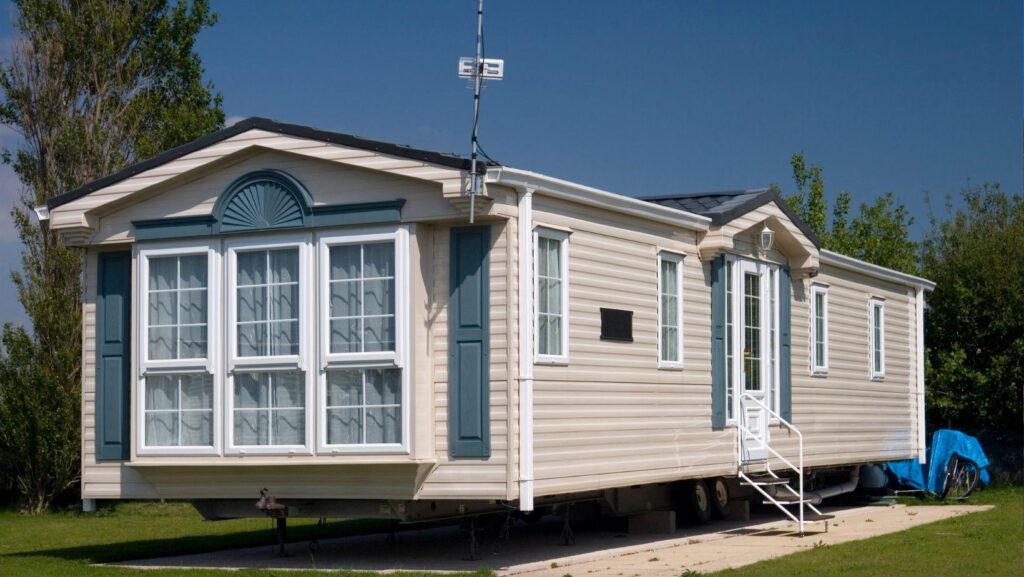
Modern manufactured homes offer a practical, data-backed solution to this widespread affordability crisis. Today’s mobile homes are not a housing compromise at all. They are financially sound, highly durable alternatives to traditional site-built real estate.
- Buyers enjoy massive upfront savings, often keeping six figures in their pockets compared to the cost of traditional site-built homes.
- Modern manufactured homes appreciate in value at nearly the exact same rate as traditional real estate.
- Factory-controlled durability and turnkey installation make mobile homes a long-lasting, energy-efficient investment.
Key Takeaways
- Buyers enjoy massive upfront savings, often keeping six figures in their pockets compared to the cost of traditional site-built homes.
- Modern manufactured homes appreciate in value at nearly the exact same rate as traditional real estate.
- Factory-controlled durability and turnkey installation make mobile homes a long-lasting, energy-efficient investment.
Why Buyers are Shifting Strategies in 2026
The traditional real estate market has created an unsustainable financial environment for the average buyer. People are shifting their strategies because they want a clear path to homeownership that does not require emptying their savings accounts. Manufactured homes provide an affordable, practical entry point that entirely changes the financial equation for new buyers.
Traditional Real Estate vs. Factory-Direct Pricing
The standard home buying process includes massive markups for developer profits, real estate agent commissions, and on-site labor delays. Factory-direct pricing entirely bypasses these traditional real estate inflations. You pay for the materials, the construction, and the delivery, allowing you to stretch your housing budget significantly further.
When searching for a mobile home for sale, the focus shifts toward exploring available models that offer strong affordability, factory-direct pricing, and practical layouts aligned with budget and lifestyle needs.
The numbers clearly highlight the financial advantage of this factory-built model. The average cost for a new manufactured home in 2025 was $126,800, according to recent industry trend data. This presents a highly manageable entry point for first-time buyers and families looking to downsize.
The affordability gap between these two housing paths is severe. The average sales price of a new site-built, single-family home is approximately $285,572 more than that of a new mobile home, as highlighted by a recent mortgage values study. That is life-changing money you can save, invest, or use to pay off other debts.
Busting the Biggest Myth: Do Mobile Homes Depreciate?
The biggest financial fear most buyers have is that a manufactured home is a bad investment. There is a lingering, outdated stigma that mobile homes instantly lose value the moment they are purchased, much like driving a new car off the dealer lot. This misconception holds many buyers back from making a smart financial choice.
Data-driven research completely debunks this myth. Manufactured homes appreciate at nearly the exact same rate as site-built homes, increasing 211.8% compared to 212.6% for traditional homes over a 24-year period. Your investment grows alongside the traditional real estate market, building long-term wealth and equity for your family.
You maximize your long-term value and return on investment when you place the home on land you own and properly maintain the property over time. Taking good care of the home, updating appliances, and keeping the roof in great condition ensure your property value remains strong. Manufactured housing is a proven wealth-building tool when approached correctly.
Built to Last: Modern Quality and Surging Demand
Many people are surprised to learn about the incredible build quality of today’s manufactured homes. They are engineered to withstand extreme conditions and provide decades of reliable comfort. This commitment to quality has led to mainstream acceptance and surging national demand.
HUD Codes and Factory-Controlled Durability
Modern manufacturing creates a superior, longer-lasting product because homes are built in factory-controlled environments. Building materials are completely protected from rain, snow, and extreme temperatures during the construction process. This controlled setting eliminates weather damage and ensures a high level of consistent quality from the floor joists to the roof shingles.
Every home is constructed to meet strict, federally mandated HUD code standards. These regulations dictate rigorous requirements for build quality, structural durability, fire resistance, and overall safety. You are buying a home that has passed multiple intense inspections before it ever leaves the factory floor.
These modern construction standards also focus heavily on energy efficiency. Upgraded insulation, precision-sealed windows, and smart climate control systems significantly reduce long-term utility bills. Lower monthly heating and cooling costs further improve the financial investment of your new home.
The 2026 Manufactured Housing Boom
High real estate costs have triggered a massive shift in how Americans buy homes. In the first half of 2025, manufacturers shipped 53,800 homes, marking one of the highest production totals of the past decade. This growth is directly tied to unrelenting affordability pressures in the traditional housing market.
You can review expert data sources that track the latest data tables on new manufactured home shipments to validate this high demand. This shipment data serves as strong social proof that mobile homes are a trusted, rapidly growing solution for modern buyers. You are joining a large, growing community of smart homeowners who prioritize financial freedom.
The Transparent Truth About Hidden Costs
Buying the physical home is only one part of the overall process. Many buyers experience confusion regarding the logistics of placing a home, including land requirements, delivery, and installation. Educating yourself on these final steps will help you budget accurately and avoid unexpected surprises.
Land Acquisition: Renting vs. Buying
Your first major decision is whether to place your home in a manufactured housing community or purchase a private plot of land. Leasing a lot in a community often provides access to shared amenities like pools and clubhouses, and it requires less upfront cash. The downside is that you will pay a monthly lot rent and must follow community rules.
Buying a private plot of land requires more upfront capital and effort to prepare the site for utilities. However, owning your land directly factors into your financing options, allowing you to secure a traditional mortgage instead of a personal chattel loan. Combining the home and land into one asset also provides the highest overall long-term return on investment.
Delivery and Turnkey Installation
Getting your home from the factory to your property requires specialized transportation and expert setup. “Turnkey installation” refers to the comprehensive process of making your new mobile home completely move-in ready. This includes setting the home on a solid foundation, anchoring it securely for hurricane and tornado safety, and connecting local utilities.
The turnkey process also involves final exterior finishing touches. Crews will complete the marriage line on multi-section homes, install weather-resistant skirting, and finish exterior elements like siding, soffit, and fascia. The home is fully insulated and prepped for immediate living by the time the crew leaves the site.
It is incredibly important to work with a provider that offers highly transparent pricing. Look for a dealer that clearly includes delivery and installation in their quotes to avoid unexpected final bills. Understanding the timeline and costs upfront makes the entire transition to homeownership stress-free.
|
Construction Phase |
Traditional Site-Built Home |
Turnkey Mobile Home |
|
Site Preparation |
2 to 4 weeks |
1 to 2 weeks |
|
Home Construction |
6 to 10 months |
4 to 8 weeks (in factory) |
|
Delivery & Installation |
N/A |
1 to 3 weeks |
|
Total Estimated Time |
7 to 11 months |
6 to 13 weeks |
Conclusion: Making Your Smart Move
Finding affordable, high-quality housing does not have to be an impossible challenge. Buying a mobile home is a highly smart move in 2026 for those seeking a practical path to homeownership. You can completely bypass the inflated traditional real estate market and secure a comfortable, modern living space for your family.
The core benefits of this strategy are impossible to ignore. You unlock massive upfront savings, benefit from high appreciation rates, and enjoy factory-controlled durability that lowers your energy bills. Manufactured homes prove that you can achieve the dream of homeownership without sacrificing your financial stability.
Take your time as you begin planning your budgets and reviewing different floor plans. Prioritize finding transparent housing providers who offer clear pricing and support throughout the entire buying process. Your smart move into modern homeownership is entirely within your reach.